
COMPOSTABLE POUCHES · DEFINE THE DESTINATION
Custom Printed
Compostable Pouches
IVAPAK offers custom printed compostable pouch options for projects with a defined product, material and treatment route. Discuss your dimensions, artwork, protection requirements and order quantity directly with our factory. Material suitability, composting conditions and applicable supporting documents are confirmed for the proposed pack.
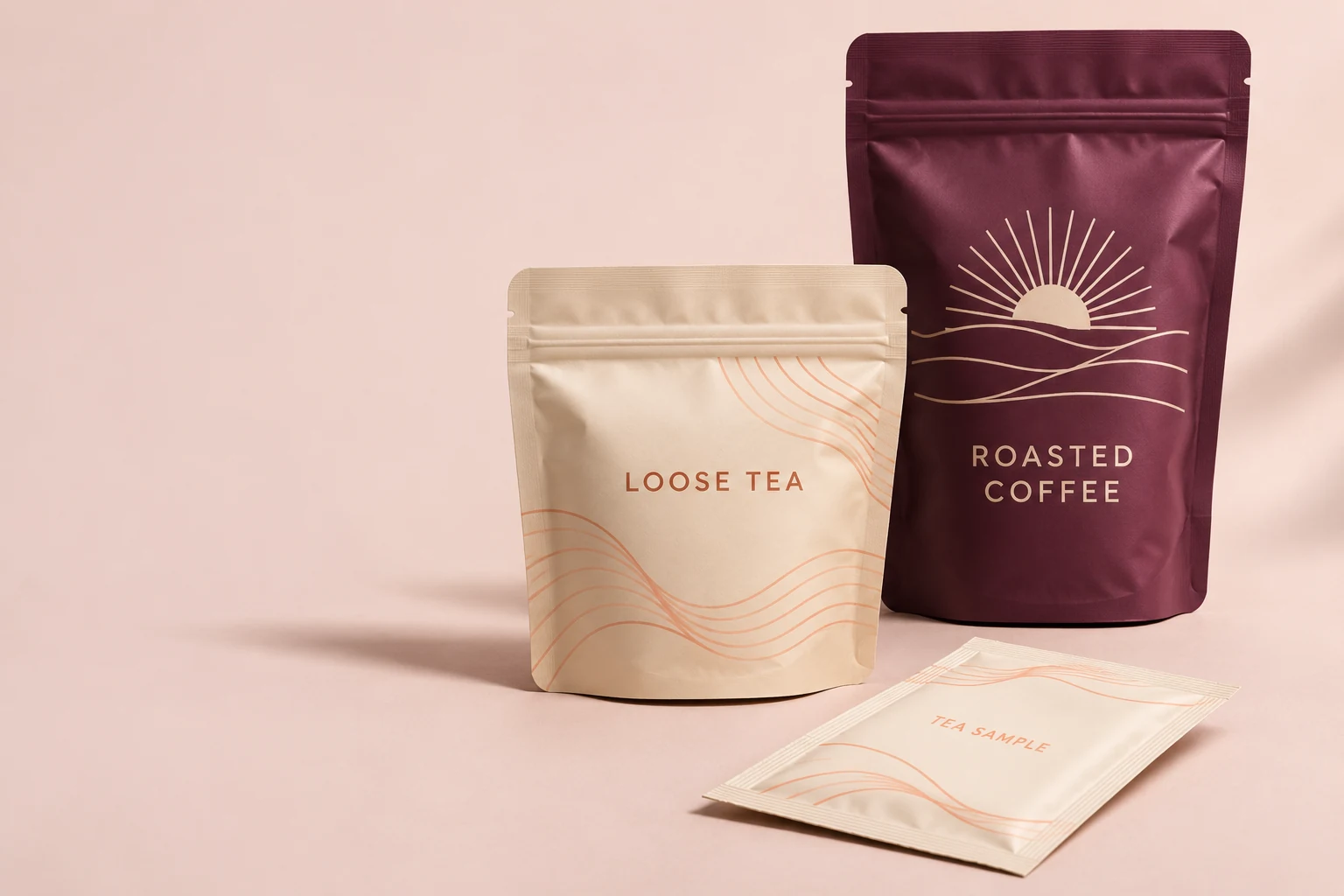
01 / Understand the format
Compostable Pouches & Treatment Conditions
A paper-like appearance, plant-derived ingredient or biodegradable description does not establish a finished pouch’s compostability. IVAPAK starts with the intended use and treatment route, then reviews the material, print and accessories as one package.
Compare packaging formatsSet the moisture, oxygen, handling and storage requirements before selecting a material direction.
Review the film, thickness, print, bonding and closure against the evidence required for the proposed claim.
Connect the wording on the pouch to the intended treatment conditions and acceptance in the sales market.
02 / The purchase specification
Material, Barrier & Closure Specifications
A useful compostable brief defines what the pack contains, how it is used and where it is intended to go afterwards.
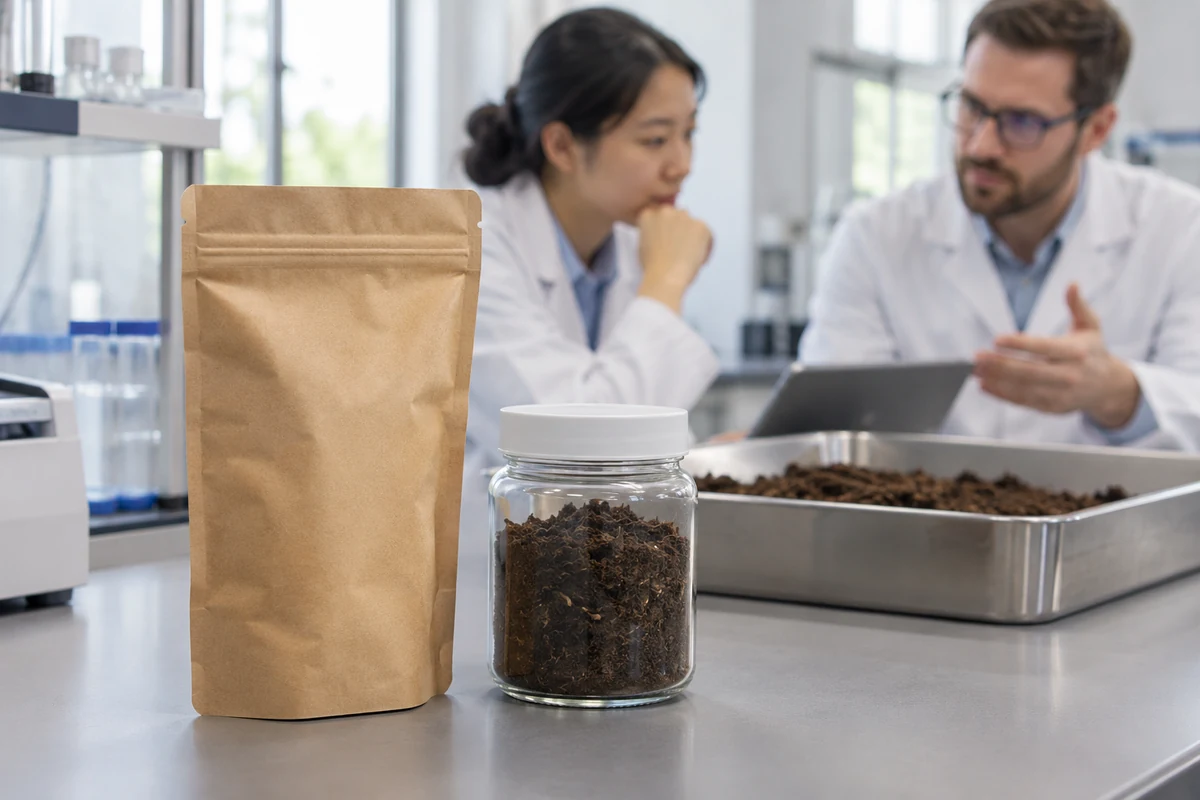 01 / TREATMENT ROUTE
Specified Composting Conditions
Industrial and home composting are distinct routes. A statement supporting one does not automatically support the other. Begin with the destination you can substantiate.
Industrial or home composting objective; countries of sale and relevant acceptance or labeling requirements.
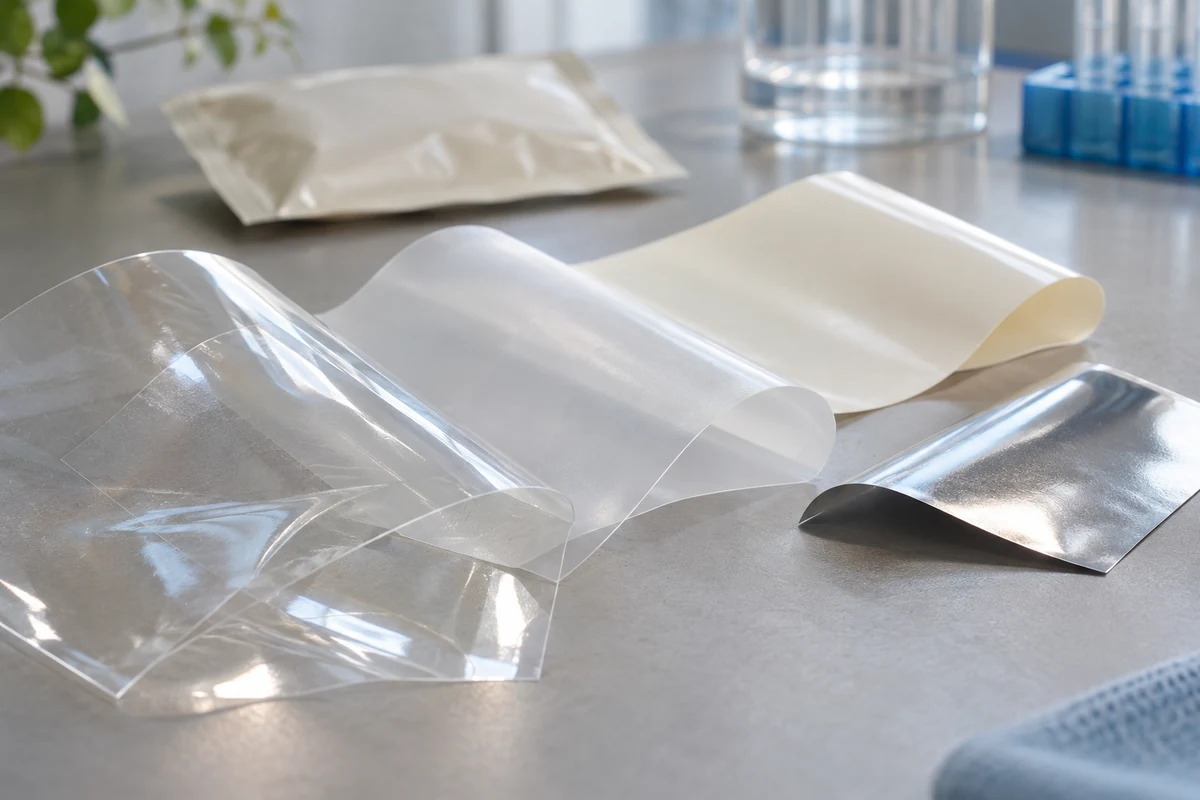 02 / FILM CONSTRUCTION
Finished Compostable Film Construction
The film family, thickness and any laminated components form the basis of the specification. A raw material certificate alone is not a description of every finished pouch made with it.
Required pouch size, candidate construction and documentation covering the proposed thickness and configuration.
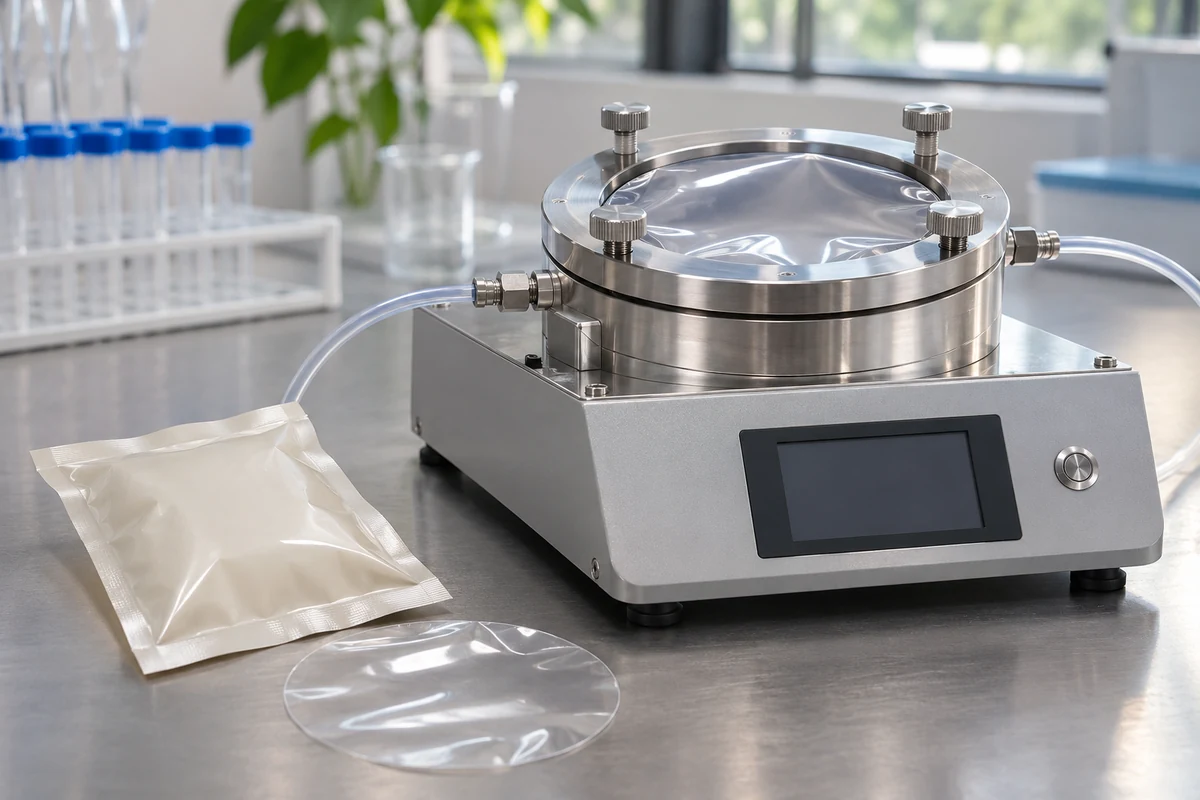 03 / PROTECTION TARGET
Product Protection & Shelf-Life Target
The pack still needs to protect its contents during distribution and storage. Moisture and oxygen requirements should be defined for the product, not inferred from the compostable label.
Contents, intended shelf life, storage humidity and temperature, light sensitivity and current-pack reference.
 04 / PRINT & DECORATION
Printing, Inks & Decoration
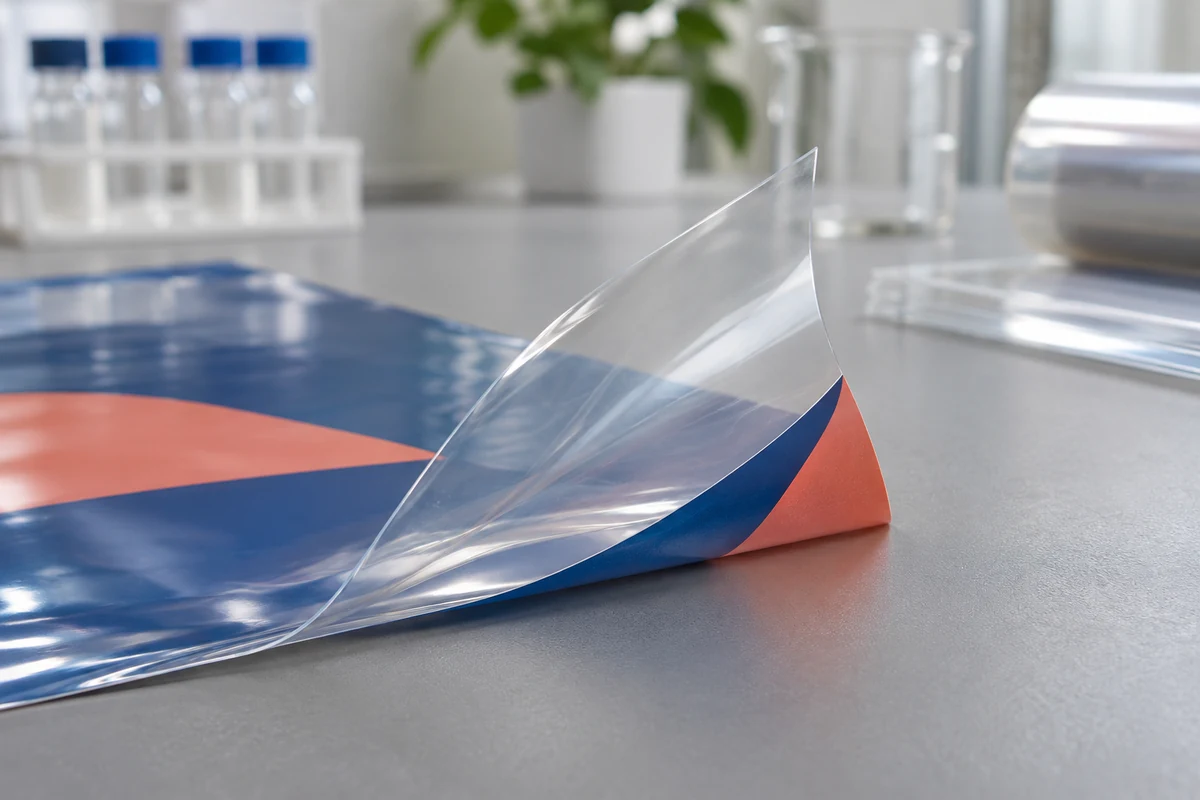
Printing, coatings, adhesives and labels become part of the finished item. Capture them in the agreed construction and documentation review before production.
Artwork coverage, finish, labels and the exact disposal wording or certification mark requested.
 05 / OPENING & CLOSURE
Opening Features & Closure Components
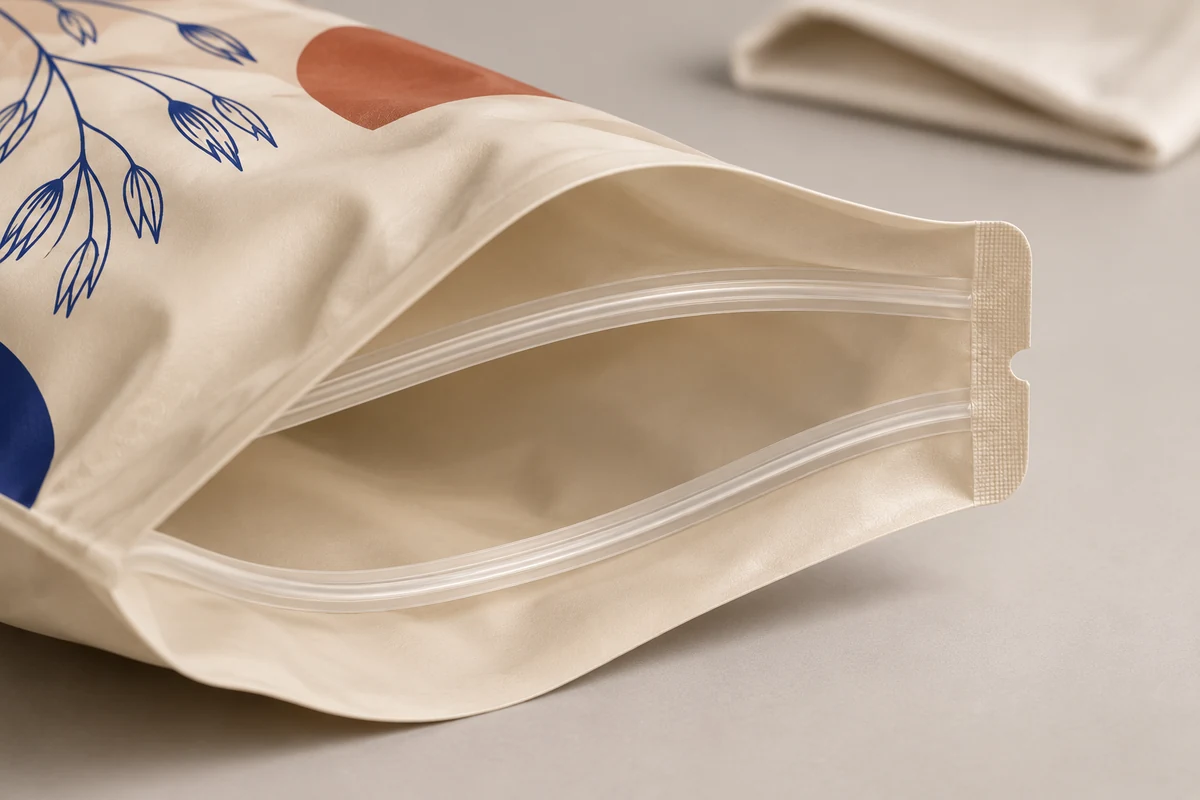
A zipper, tear feature or accessory has to work in use and fit the proposed finished-pack claim. A simple format can make the material and component review easier to define.
Resealing requirement, opening size, accessory details and whether any component is removed before disposal.
 06 / STORAGE & SEALING
Material Storage & Heat-Sealing Conditions
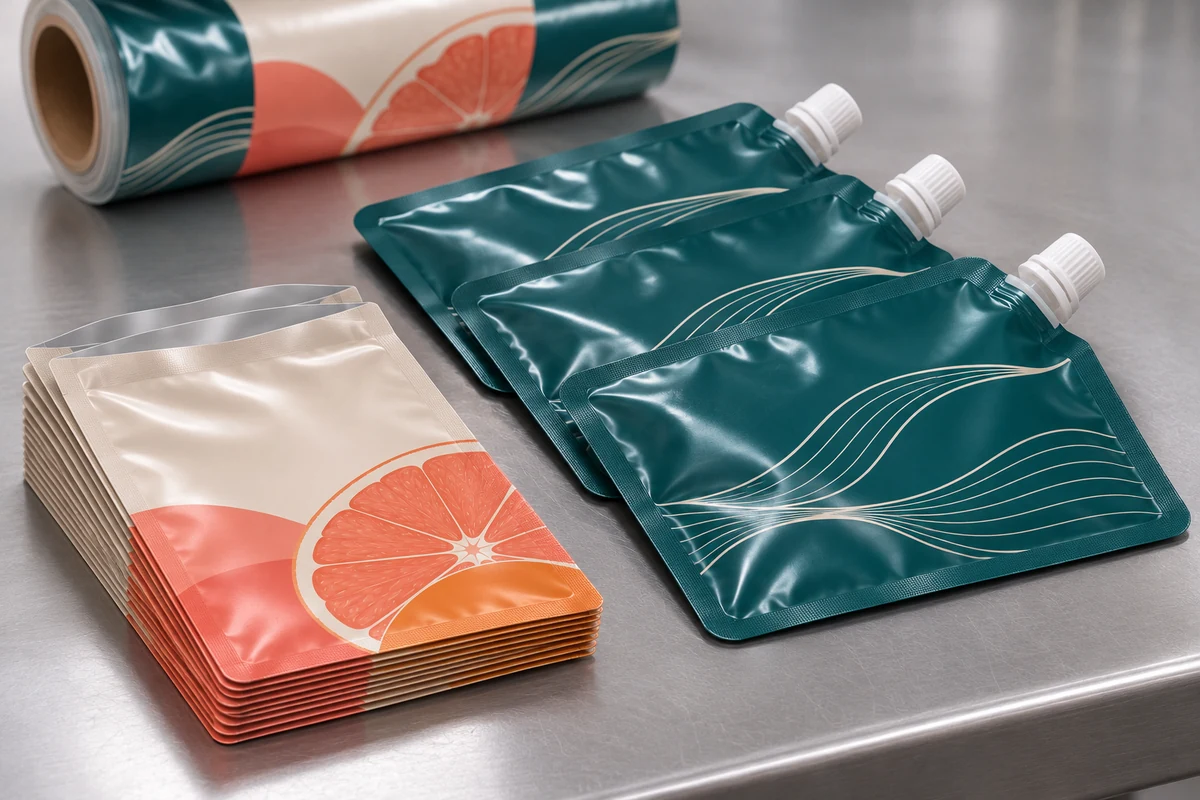
Empty-pouch storage and the filling environment belong in the brief. The selected material needs an agreed sealing setup and a trial matched to the intended product.
Warehouse conditions, planned storage duration, sealer details and filled-pack evaluation plan.
Use an approved drawing and representative samples to connect appearance, dimensions and intended use.
Add what you know to your brief ↗03 / Match the application
Product Fit for Compostable Packaging
Select the route closest to your product. The filling method, handling and consumer-use sequence influence the specification.
Define protection for the actual food.
A dry appearance does not mean a low protection requirement. Aroma, oil content and crispness can make the shelf-life brief more demanding than the product suggests.
- Moisture, aroma and oxygen requirements
- Target shelf life and distribution conditions
- Finished-pack storage and sealing trial
Review the complete portion pack.
For a compact pouch or sample format, align the opening, seal width and printed instructions with the usable space. The final item needs a clearly identified material and disposal route.
- Dose, pouch drawing and fill opening
- Seal and tear-feature layout
- Readable, supported disposal instructions
Compare against a working benchmark.
When replacing an existing pack, retain the product and use conditions as the baseline. The sample plan should reveal what changes in protection, feel, processing and disposal communication.
- Current package and reason for change
- Performance criteria to retain
- Market route and evidence required
04 / Industry requirements
Applications to Review for Compostable Pouches
Explore the protection, filling and handling questions behind each application.

Coffee & Tea
Bring aroma, moisture and any coffee degassing requirement into the material review.
Explore this industry ↗
Snacks, Nuts & Dried Fruit
Define crispness, oil sensitivity and storage conditions before discussing the structure.
Explore this industry ↗
Confectionery & Candy
Review moisture control, portion format and the consumer opening with the proposed material.
Explore this industry ↗05 / Material decisions
Film Construction & Protection Requirements
Film appearance alone does not establish protection, processing compatibility or an end-of-life outcome. Define the role and the evidence together.
Provides the main pouch body and its physical behavior.
Material identity, thickness range and the documentation for the proposed finished construction.
Contribute barrier, bonding and a sealable contact surface.
Product protection, sealing performance and inclusion within the compostability evidence.
Carry the brand, required information and disposal message.
Coverage, formulation and finished-item scope; approval for any certification mark.
Add opening, reclosure or dispensing functions.
Component identity, use performance and how each part is covered by the final claim.
06 / A closer design decision
Compostable, Biodegradable & Bio-Based Terms
Write the environmental brief precisely so the material and the message can be assessed together.
Industrial composting
A defined treatment route with its own conditions and evidence. Confirm acceptance of the finished pouch in the intended system.
Home composting
A separate claim requiring evidence for that route. It is not established by an industrial-compostability statement.
Bio-based content
Describes a material-source attribute. It does not, by itself, establish compostability or a disposal instruction.
07 / Customization & print
Custom Pouch Shapes & Compostable Packaging Print
Bring your preferred shape, dimensions and artwork into the compostable packaging brief. Film, inks, adhesives and closures are reviewed together for the intended application and composting requirements.
Shape illustrations from our wider factory range. Dimensions, materials, closures and tooling are confirmed for your application. Flat sachets and zipper variants share their underlying pouch construction.
A starting point for this product
Three-Side Seal Pouch
Flat format · Three sealed edges
A compact flat pouch with one edge left open for filling. Customize the usable area, tear location and front-and-back artwork.
Explore this packaging formatA starting point for this product
Stand-Up Pouch
Bottom gusset · Shelf display
A bottom gusset opens as the pouch fills. Customize width, height and gusset depth, then place your artwork around the seal and fold zones.
Explore this packaging formatAnother format in our factory range
Flat Zipper Pouch
Resealable · Flat body
A flat pouch with a resealable zipper. Coordinate the zipper position, opening clearance and printed information with the fill volume.
Explore this packaging formatAnother format in our factory range
Stand-Up Zipper Pouch
Resealable · Bottom gusset
Combine a standing base with a zipper. Customize the body proportions, reclosure position and artwork for repeated use.
Explore this packaging formatAnother format in our factory range
Pillow Pack
Back seal · Rollstock formed
A back-sealed pack formed from rollstock. Match film width, print repeat and end-seal allowances to the filling machine and product.
Explore this packaging formatAnother format in our factory range
Spout Pouch
Dispensing fitment · Custom position
Choose a center or corner spout around pouring, grip and filling access. Coordinate the pouch shape, fitment and printed use instructions.
Explore this packaging formatAnother format in our factory range
Back-Seal Gusseted Bag
Back seam · Expanding sides
A back seal and folded side gussets provide additional volume. Plan the rear seam, gusset folds and artwork across the formed faces.
Explore this packaging formatAnother format in our factory range
Side-Gusset Pouch
Side folds · Added volume
Side gussets expand around the contents. Customize the panel proportions and plan graphics that remain readable across the folded surfaces.
Explore this packaging formatA starting point for this product
Flat Sachet
Small portions · Sample packs
A small flat pack for a single portion or sample. Reserve enough room for seals, the tear path and legible artwork at the final size.
Explore this packaging formatAnother format in our factory range
Flat-Bottom Pouch
Box-style base · Multiple panels
A flat base and defined side panels create a structured pack. Customize panel widths, base depth and artwork across the visible faces.
Explore this packaging formatAnother format in our factory range
Flat-Bottom Zipper Pouch
Structured base · Resealable top
Bring a resealable opening to a flat-bottom format. Review the zipper, opening access, panel layout and the filled-pack proportions together.
Explore this packaging formatAnother format in our factory range
Die-Cut Shaped Pouch
Custom outline · Tooling review
An individually shaped outline can support a distinctive display. Review die-cut tooling, seal margins, filling access and artwork together.
Explore this packaging formatCustom artwork for production, with colors approved on the specified material.
Review artwork and presentation before confirming the production brief.
Discuss matte or gloss appearance, clear areas and artwork across the finished pack.
Pouch format
Evaluate a stand-up or three-side seal configuration against capacity, protection and the selected material.
Clear or opaque look
Define the desired product view and light screening; appearance is separate from compostability.
Opening experience
Position a tear notch or review a compatible reclosure after the seal area and fill level are set.
Disposal communication
Use precise, legible instructions tied to the approved route and evidence for the finished item.
Send your preferred format, dimensions, material needs, artwork and order quantity. We will review the combination with you.
Customize my packaging08 / Practical project checks
Shelf-Life, Sealing & Storage Checks
Select a point to review, then add it to your inquiry. Product, material, filling and handling conditions need to be considered together.
Start with the protection gap.
- What to record
- Contents, current structure, storage humidity and when product quality starts to change.
- What to review
- Required moisture protection, seal integrity and the filled-product shelf-life evaluation.
Include the empty pouch in the plan.
- What to record
- Pouch storage duration, warehouse conditions, transit conditions and any observed material change.
- What to review
- Storage recommendations for the selected material and a realistic receiving-to-filling schedule.
Match the evidence to the item being sold.
- What to record
- Film, thickness, print, adhesive, labels and every accessory in the proposed design.
- What to review
- The scope of the supporting documents and whether a changed component needs reassessment.
Test the disposal message against reality.
- What to record
- Destination markets, intended collection system and the wording proposed for the pack.
- What to review
- Acceptance of the actual packaging format and a clear instruction consistent with the evidence.
09 / Connected manufacturing
Our Pouch Manufacturing Process
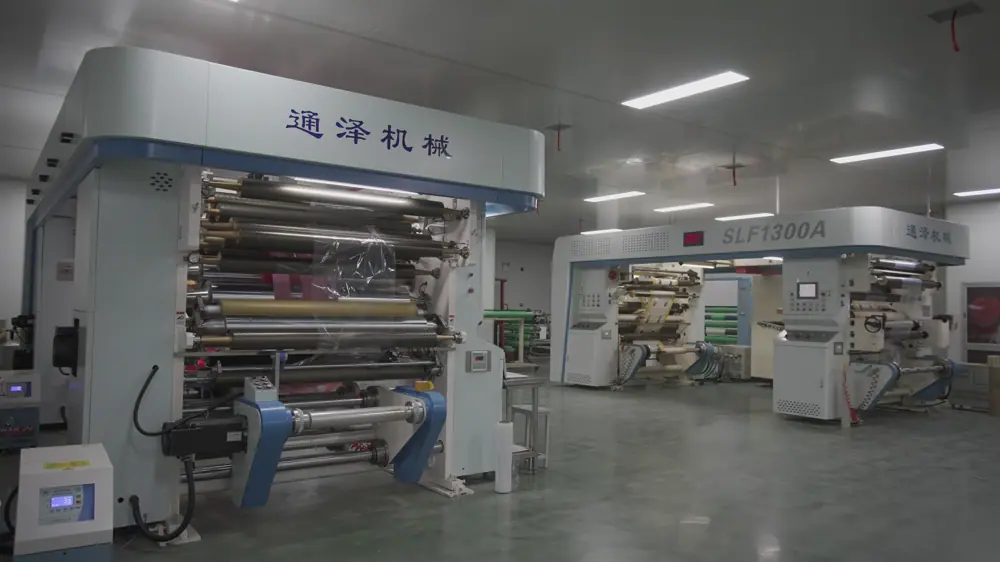
Printing, material conversion, pouch making and inspection are coordinated in one factory. The agreed construction determines the exact production route.
Factory photographs / use the arrows or swipe
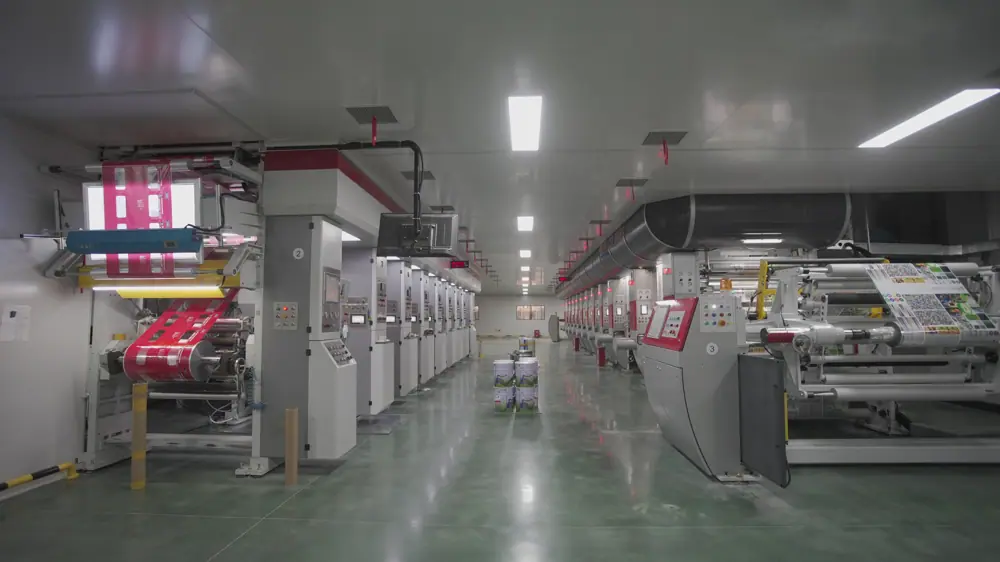
Printing
Approved artwork is carried into the production web.
Lamination
Layer selection and converting conditions remain connected.
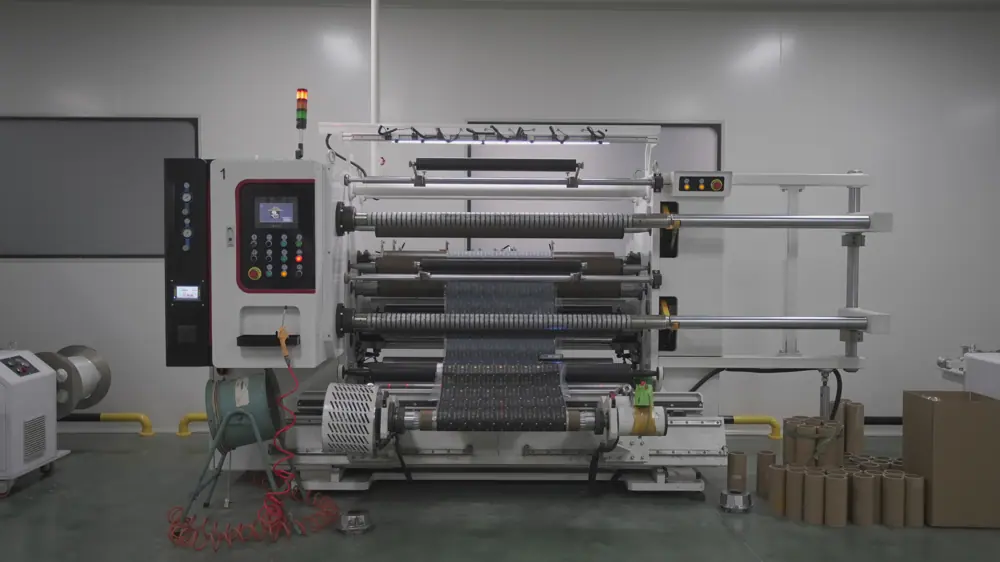
Slitting
The web is prepared for the specified pouch-making layout.
IVAPAK has supplied custom printed flexible packaging since 2003. Confirm the construction, available options and acceptance requirements before production.
Explore manufacturing10 / Quality & documentation
Quality Inspection & Material Documentation
Tie each inspection point and supporting document to the product you are ordering.
- Configuration identity
Record the precise material, thickness, pouch format and components behind the sample and quotation.
- Use performance
Agree checks for sealing, handling, empty-pack storage and protection of the filled product.
- Food-contact documents
Review food-contact suitability separately from compostability for the intended contents and conditions.
- Claim support
Check the finished-item scope, treatment conditions and mark permissions before approving environmental artwork.

11 / Before the production order
Samples, MOQ & Pre-Production Approval
MOQ is reviewed by size, structure and quantity per design. Digital printing supports artwork sampling; material samples and filled-pack or process trials answer separate questions. Ask our factory to confirm the sample format, approval steps and production quotation for your project.
Route & material
Agree the intended treatment route, product requirements and candidate construction.
Product & line trial
Assess actual filling, seal quality and the required storage performance using representative samples.
Finished-pack release
Match the final components, artwork and disposal message to the approved specification and documents.
12 / Your project brief
Request Pricing for Your Custom Pouches
Fill in what you know. This tool organizes the details into the inquiry form below, ready for your review.
A current drawing, material specification, filled-pack photo or sample can explain the starting point. Send supporting files to Allen after your initial inquiry.
Allen@ivapak.comYour message will appear below for review. Adding a brief does not send the form.
13 / Practical answers
Custom Pouch Ordering FAQs
Clear answers for purchasing, packaging development and artwork teams.
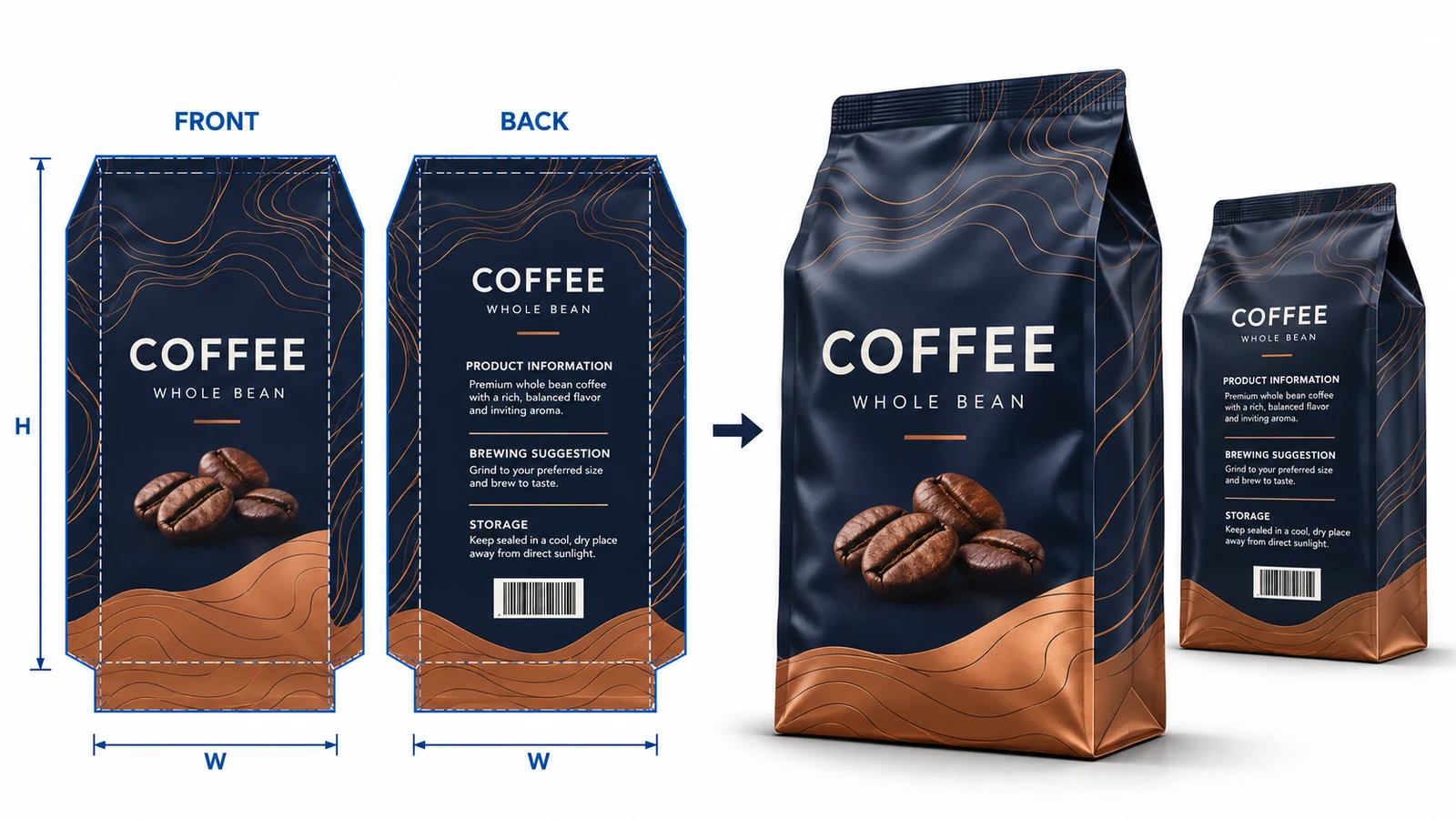
Shape and artwork concept only. Material composition, application suitability and any environmental claims are confirmed separately for your project.
What is the difference between industrial and home compostability?
They refer to different treatment conditions. Industrial compostability does not establish home compostability. The proposed product, supporting documents and disposal instructions must identify the relevant route.
Does biodegradable mean compostable?
No. Biodegradation depends on the material and conditions. A useful compostability statement identifies the specified treatment environment and the evidence for the product rather than relying on a general biodegradable claim.
Does a kraft-paper appearance prove that a pouch is compostable?
No. The appearance does not identify all films, coatings, inks, adhesives or closures. Assess the complete construction and the supporting documents for the finished item.
Can we print a compostability logo on the bag?
Only after the exact item and intended mark have the required supporting approval and permission. Send the requested program or label at the quotation stage so its scope can be included in the project.
Can a compostable pouch protect coffee, snacks or powders?
Suitability depends on the selected structure, contents and intended shelf life. Share the current pack and protection target. A filled-product evaluation is needed where performance has not been established.
Is food-contact suitability included in a compostability claim?
No. Compostability and suitability for food contact address different questions. The material documentation must also match the food and intended contact conditions.
Can these pouches go into ordinary plastic recycling?
A compostable description is not an instruction to use a conventional plastic recycling stream. Use the disposal route and local acceptance information supported for the finished pack.
What affects MOQ and production timing?
Material, dimensions, print, accessories and the required evidence all affect the project. MOQ is confirmed by specification and design. Standard orders typically take around 15 days after artwork approval; special-material qualification, trials and shipping are scheduled separately.
14 / Factory-direct inquiry
Request a Factory-Direct Quote
Share the application, reference pack or requirements you already have. Allen can help connect the format, material, print and production plan.
Dimensions, structure, available options, artwork, quantity per design and delivery requirements are reviewed together.
Around 15 days for standard production.After artwork approval, subject to the confirmed order schedule. Shipping and arrival timing are additional.
Tell us about your project.
15 / Repeat supply
Production Lead Times & Repeat Orders
Review changes to the contents, process, artwork or destination market before placing a repeat order.
Order against the agreed material, thickness, closure, print and document references.
Check new labels, inks, coverage or certification marks before treating a redesign as an unchanged repeat.
Align purchasing, recommended storage and filling schedules with the selected material.