
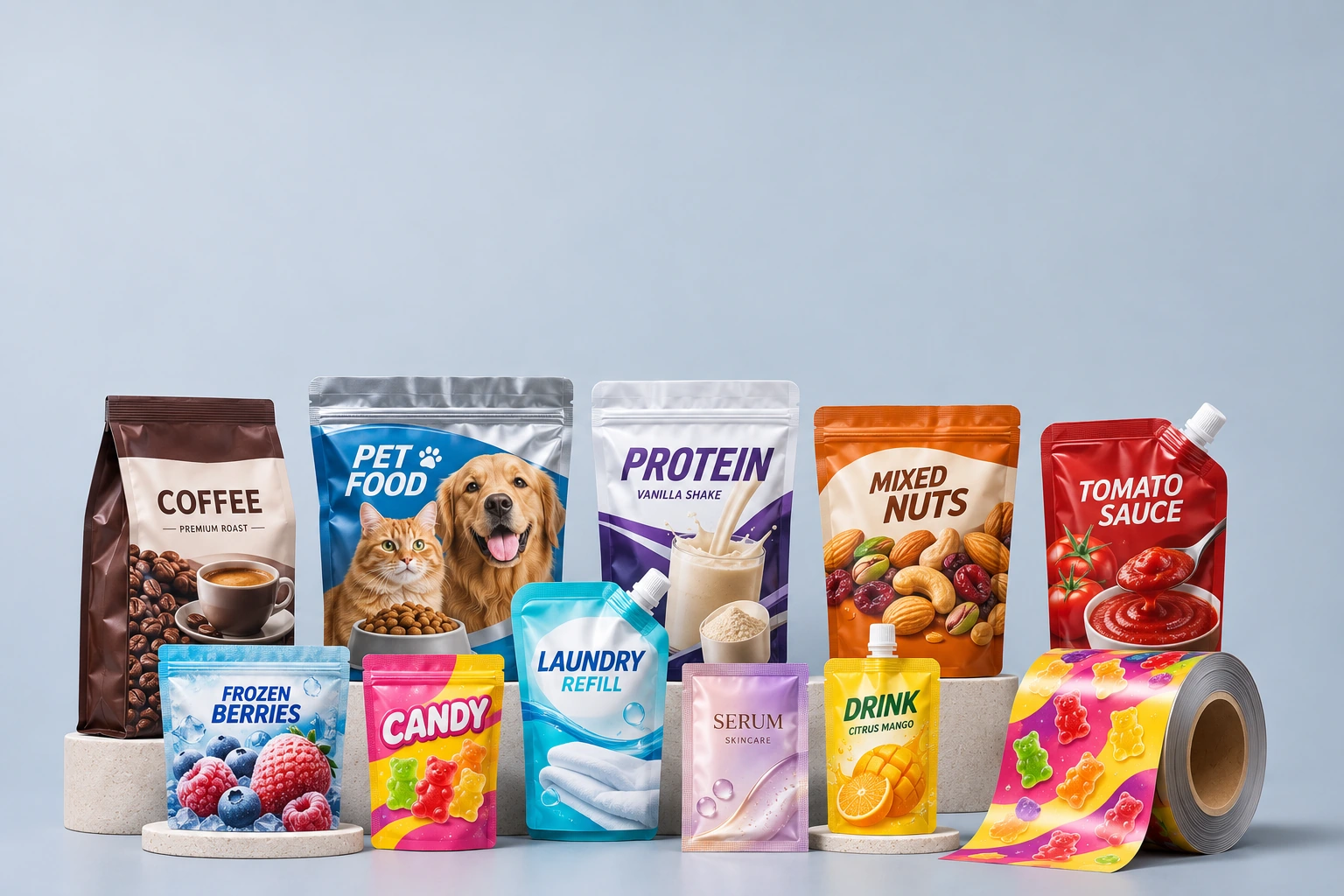
Sustainable Flexible
Packaging Options
Compare IVAPAK’s three material directions for custom flexible packaging: mono-material pouches, compostable options and PCR packaging. Review how each route fits your product, filling process and destination market before selecting a construction or making an environmental claim.
Choosing a Material Route for Your Product
A material change starts with a practical question: what do you want the package to achieve? Together, we can compare the structure, product protection, processing requirements and supporting information before choosing a direction.
Discover our packaging formatsMono-Material, Compostable & PCR Packaging
Each guide connects the product, material or application to a practical production brief.
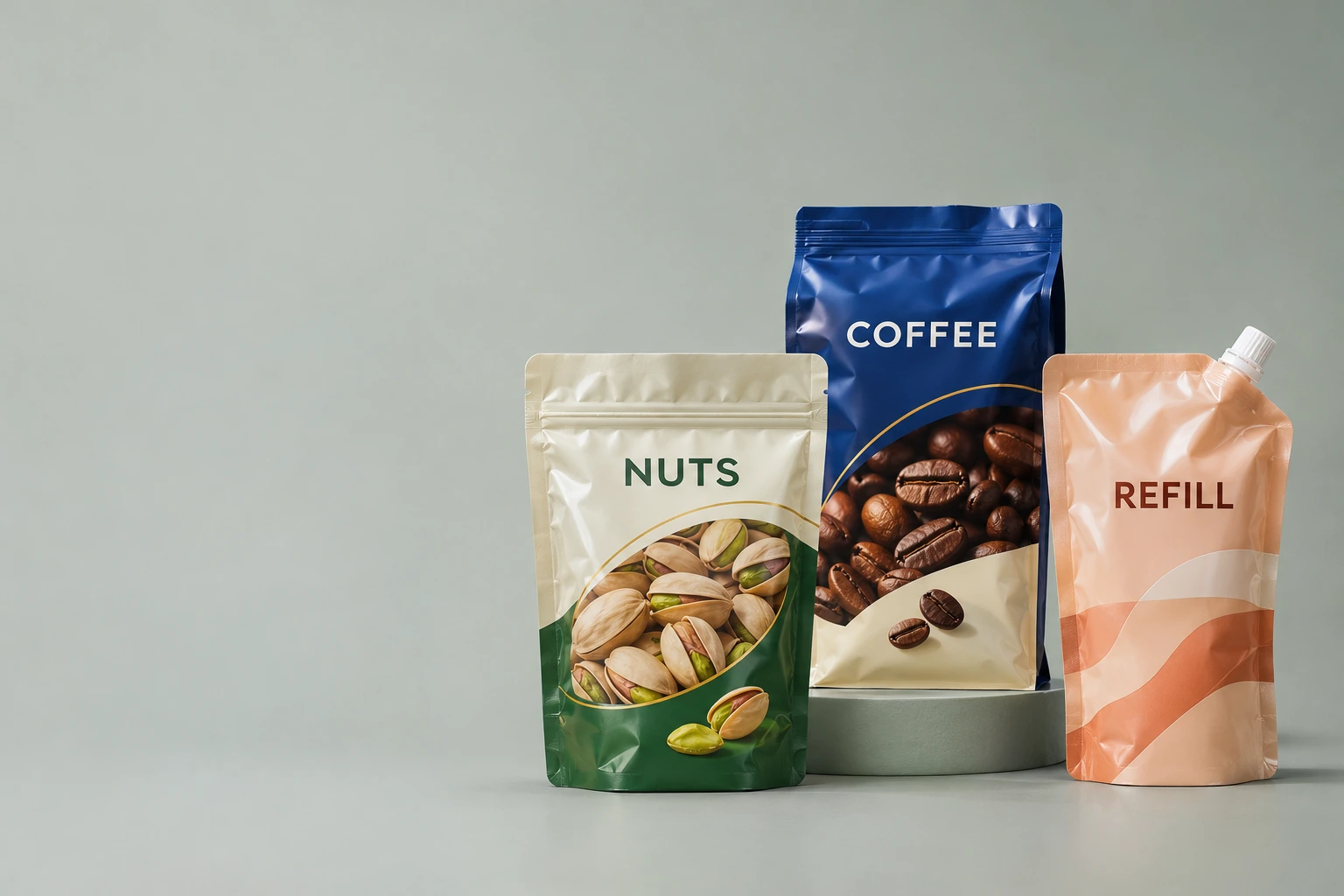
Recyclable Mono-Material Pouches
A structure-led route, reviewed against the complete pack and local recycling conditions.
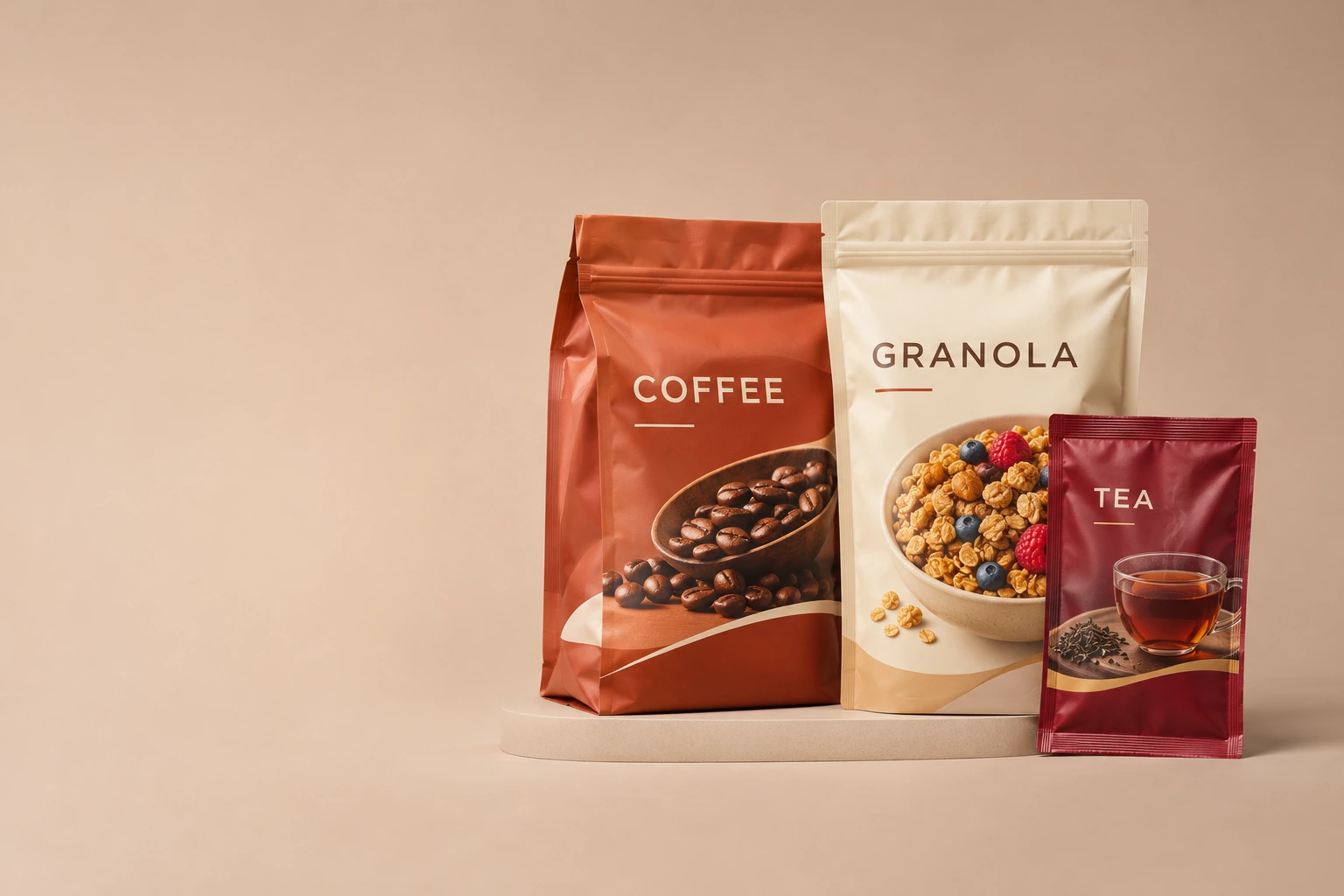
Compostable Pouches
A route tied to specified composting conditions and the relevant material evidence.
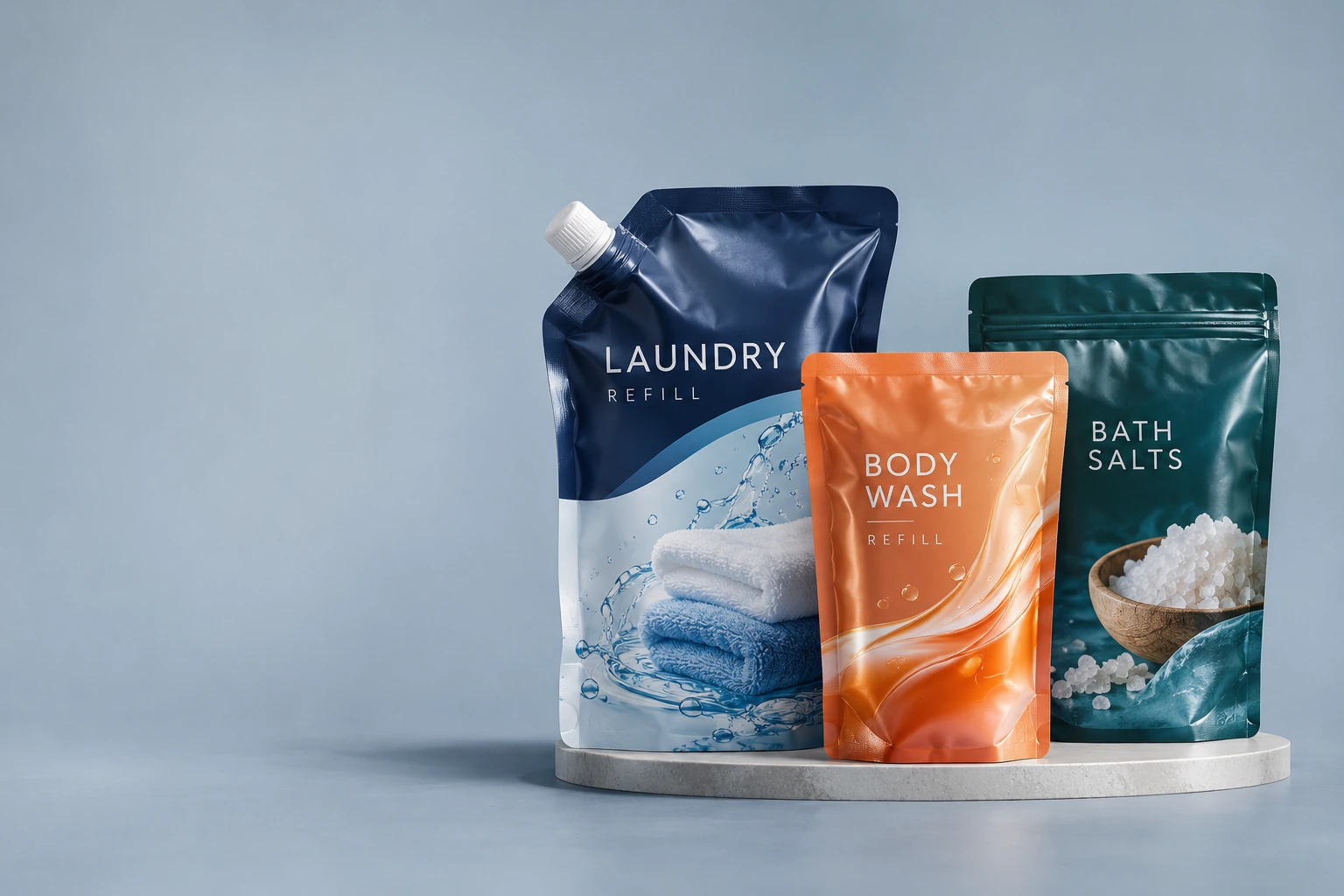
PCR Packaging
A recycled-content route with a confirmed source, proportion and intended use.
How the Three Material Directions Differ
Keep the material goal clear from the first conversation.
Recyclable mono-material
Can the complete pack fit the relevant collection, sorting and recycling route in the destination market?
Compostable
Which composting conditions apply, and what documentation supports the specified material?
PCR packaging
What post-consumer recycled content is proposed, where is it used and is it suitable for the application?
Define Your Packaging Material Goal
A precise brief makes alternatives easier to compare.
A market requirement
Name the destination country and any buyer or retailer packaging requirement.
A material target
Explain whether the priority is the recycling route, composting conditions or the use of post-consumer recycled material.
Mono-Material PE/PP Packaging Structures
The final construction still needs to be reviewed as a complete package.
Whole-pack view
Consider film, inks, closures, fitments and other components together.
Product requirements
Review sealing, handling and the required moisture, oxygen or light protection alongside the structural goal.
Recycling Infrastructure & Whole-Pack Acceptance
The intended market matters to the description placed on a finished pack.
Collection and acceptance
Identify the relevant collection and processing route rather than assuming a universal recycling outcome.
Pack instructions
Agree any consumer disposal wording only after the actual structure and applicable local guidance are known.
Compostable Packaging & Treatment Conditions
The composting environment and supporting documentation belong in the specification.
- Specify the route
- Confirm whether the proposed material is intended for industrial or another documented composting condition.
- Check the evidence
- Review the material, components and scope covered by the relevant documents before making a pack claim.
PCR Material Origin & Recycled Content
PCR means post-consumer recycled material; the proposed content needs a clear basis.

Source and amount
Request the source, stated proportion and how that proportion is calculated for the proposed structure.
Layer and application
Identify where the recycled material is used and confirm its suitability for the actual product and process.
Food-Contact Suitability by Application
A material objective does not replace a food-contact assessment.
Connect material and use
Name the contents, contact conditions, filling temperature and any further processing.
PCR review
Food-contact applications containing PCR require separate confirmation of the applicable material and intended-use documentation.
Barrier Protection & Shelf-Life Requirements
The packaging still needs to serve the product throughout its intended life.
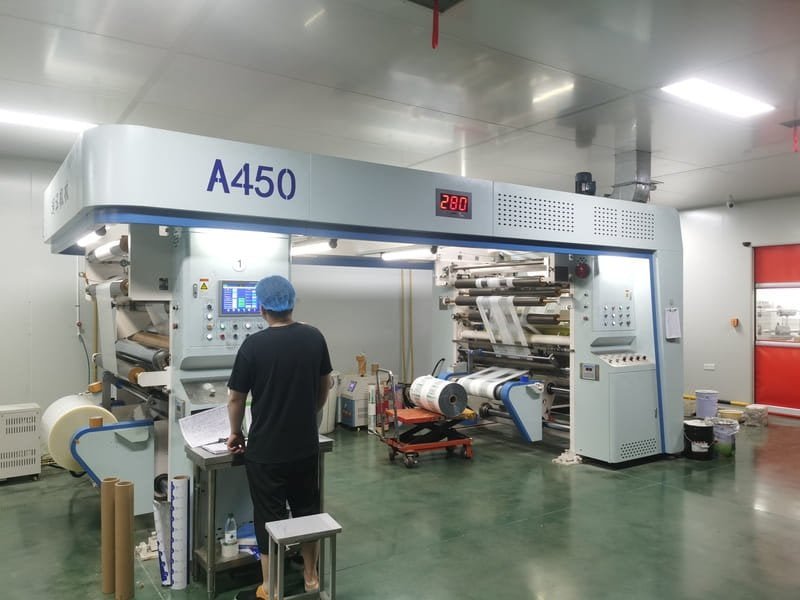
Define sensitivity
Describe moisture, oxygen, aroma, light and formula-contact concerns.
Define the conditions
Storage, handling, filling and processing help determine which candidates deserve further evaluation.
Pouch Formats & Rollstock Options
Discuss how the chosen material direction could work with the required format.
Material Choices by Industry
Start the material review from your industry’s working conditions.
Printing on Alternative Film Structures
A material change may alter how the print surface looks and feels.
Review the reference
Use the intended graphics and color references when discussing the proposed structure.
Understand sampling
Digital printing is used for artwork samples; final gravure production appearance is agreed for the actual production route.
Zippers, Spouts & Other Pack Components
A zipper, spout or other accessory can matter to both use and material claims.
Customer experience
Define opening, dispensing and repeated-use requirements before selecting accessories.
Material consistency
Review the complete construction when evaluating recycling or composting statements.
Material Documentation & Environmental Claims
The useful document is the one that covers your actual structure and intended use.
Material-specific information
Request construction details, relevant food-contact documentation and the applicable test or material reports.
Claim-specific information
For PCR, confirm source and proportion; for compostability, confirm conditions and scope; for recycling, confirm the market-specific basis.
Trials for a Packaging Material Change
Agree the decisions a sample needs to support before moving into production.
Packaging operation
Review filling, sealing, converting or line compatibility for the proposed material.
Product and handling
Agree appropriate filled-pack checks for the contents and the intended storage and distribution conditions.
Converting the Selected Material at Our Factory
IVAPAK integrates print, lamination, curing, slitting, pouch making and inspection.
- One technical brief
- Carry the confirmed material, dimensions and print requirements through the production sequence.Explore
- A suitable route
- The manufacturing plan is confirmed for the selected structure; every material is not assumed to behave the same way.
Illustrative Material-Selection Projects
These examples illustrate a decision process, not measured customer outcomes.
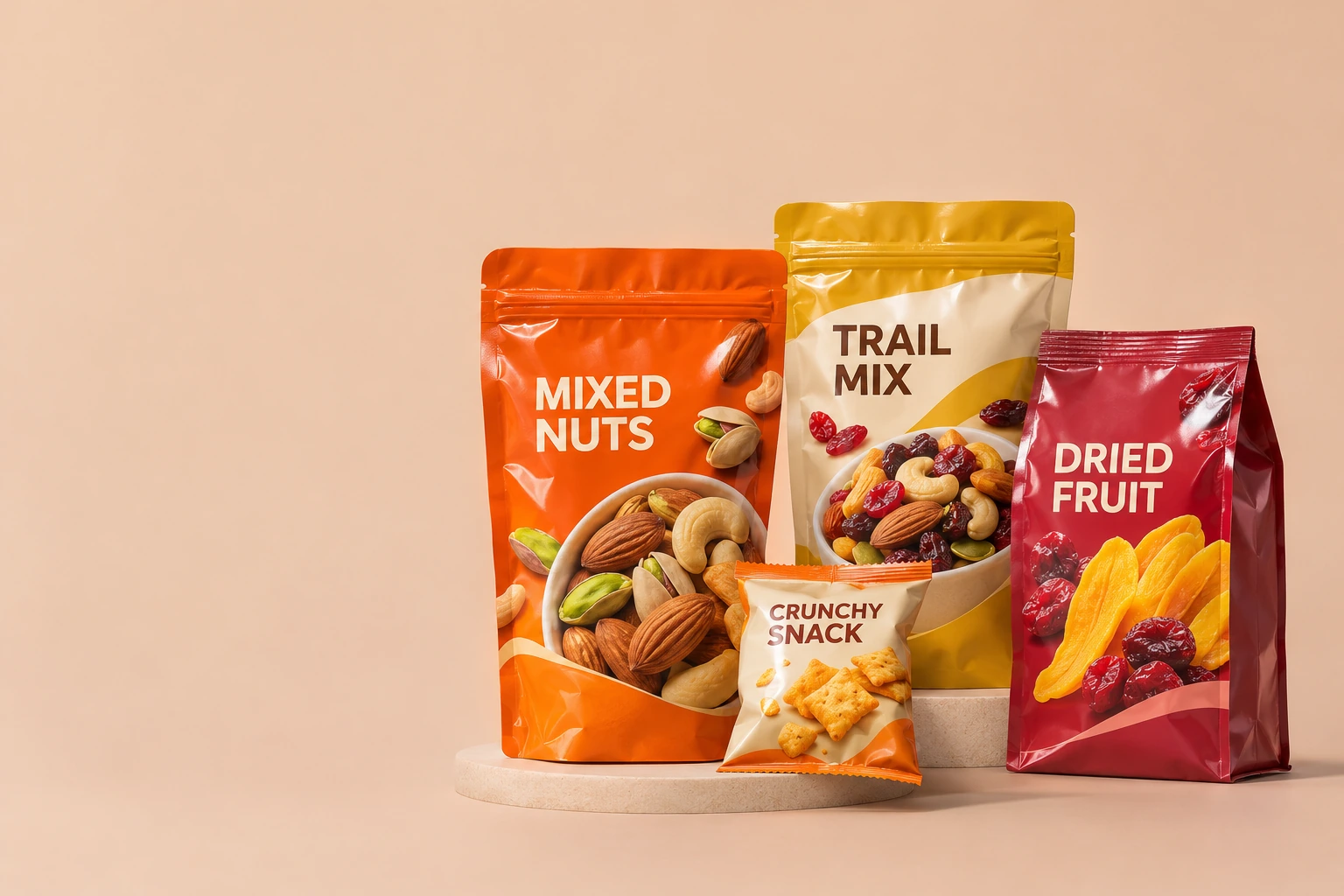
A dry-food material review
Compare the target recycling route with the food’s protection and line requirements.
A refill using recycled content
Review the formulation, proposed PCR source and proportion, and the finished pack’s handling needs.
A compostable portion pack
Clarify the intended disposal route, material evidence and actual product contact conditions.
Sustainable Packaging FAQs
Useful answers for planning, specifying and ordering your pack.
Are all three routes recyclable?
No. Recyclable mono-material, compostable and PCR refer to different material or end-of-life characteristics. PCR content does not by itself establish recyclability or compostability.
Can IVAPAK guarantee that a pouch is recycled everywhere?
Recycling depends on the complete structure and the collection and processing system in the destination market. Discuss the actual market and proposed construction before agreeing a claim.
Are compostable pouches suitable for home composting?
The required composting conditions must be confirmed for the proposed material and its supporting documentation. Home composting should not be assumed.
What PCR percentage is available?
There is no single percentage promised across this range. Source, proportion, layer placement and application suitability are discussed for the project.
Can a sustainable material be used for retort or food contact?
Suitability must be reviewed for the material, contents and processing conditions. Retort, food contact and PCR food-contact requirements need specific confirmation.
Can you quantify a carbon reduction for my pack?
A meaningful comparison requires a defined baseline and supporting assessment. This website does not assign an unverified carbon reduction to a material choice.
No matching question. Try another term or contact Allen.
Request a Material-Specific Packaging Quote
Tell us what you are packing, the format you have in mind and the quantity you are planning. We will help clarify the specification and the next step.
Information for a Custom Packaging Quote
Product and fill amount · Dimensions or a sample · Artwork status · Quantity per design · Filling conditions · Destination and target date.
Compare Pouch Formats & Material Options
Start with the information you have. Tell us which decisions are open so the discussion can focus on the right samples, material and format.
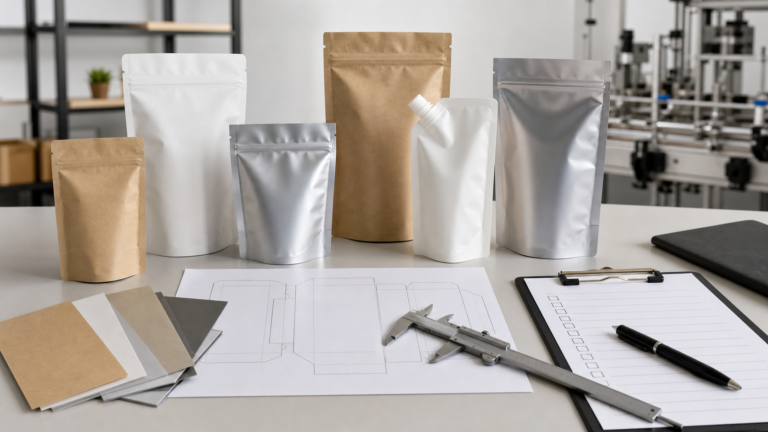
Planning a Material Transition
Material availability, trials, artwork and quantities should be aligned before approval.
Confirm the quotation
Request the proposed structure, quantities and any special requirements on a consistent basis.
Confirm the schedule
Standard production is typically about 15 days after artwork approval; material-specific requirements and shipping are confirmed for the order.
Repeat Orders & Supporting Records
A clear reference supports future orders and consistent pack communication.
For repeat orders
Confirm the material, components, artwork, claim wording and intended market remain the same.
When things change
A new formula, source, structure or destination can require another suitability and documentation review.
Related Packaging Products & Resources
Move between formats, applications and the manufacturing details that matter to your project.
Products
Explore IVAPAK custom printed pouches, rollstock and materials. Compare formats, filling needs and specifications with a factory established in 2003.
Industries
Explore flexible packaging for coffee, pet food, nutrition, snacks, sauces, frozen food, candy, home care, beauty and beverages. Start with your application.
Quality & Compliance
Understand IVAPAK factory credentials, packaging quality requirements, food-contact documentation and available SGS reports for your specific material and use.
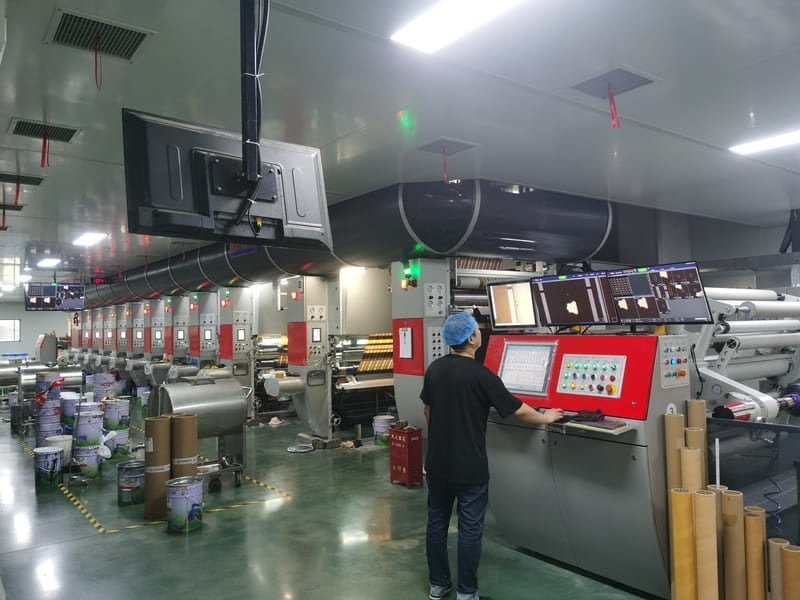
Manufacturing
Explore IVAPAK’s integrated printing, lamination, curing, slitting, pouch making and inspection process for custom printed pouches and rollstock.
Contact IVAPAK
Explore the related packaging guide.
Flexible Packaging Material Guides
Read the latest articles from IVAPAK on flexible packaging, materials and project planning.
Browse our latest packaging articles.
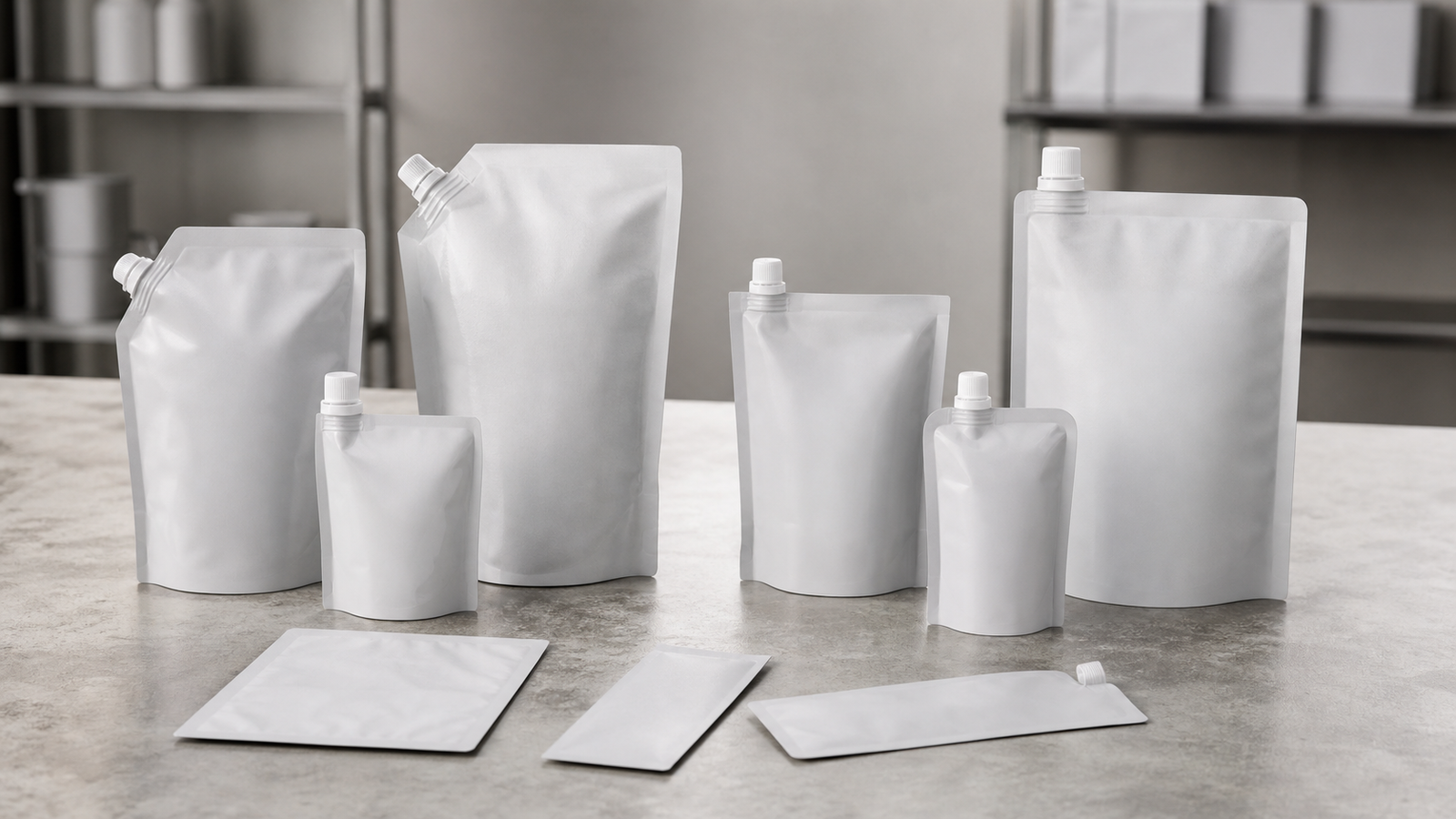
What Is a Spout Pouch?
Learn what a spout pouch is and how buyers should specify materials, format, spout size, closures, filling method, testing, and RFQ details.…
Read the article ↗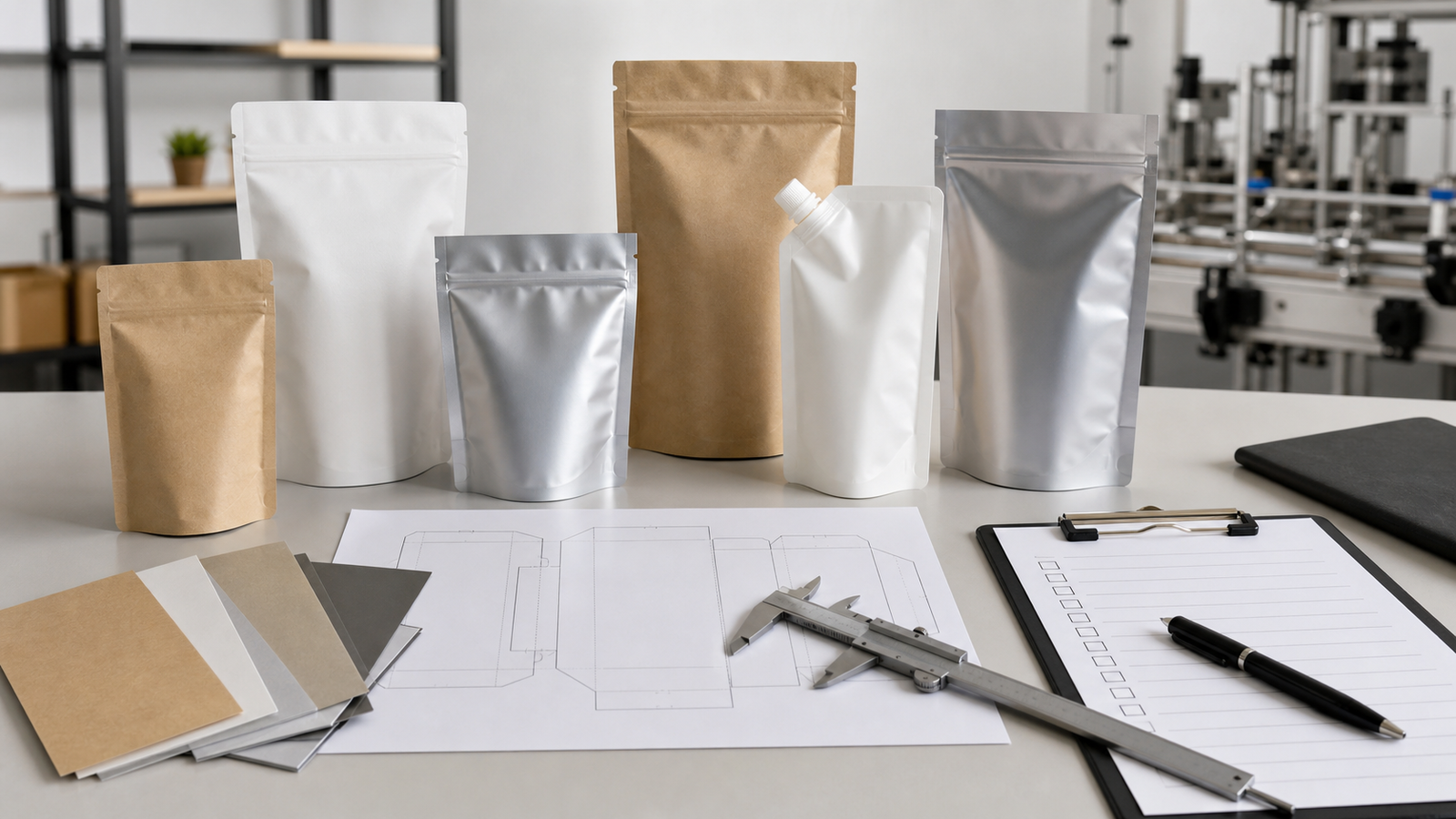
Custom Pouches for Flexible Packaging
Custom pouches explained through format, laminate, closure, print, filling, sustainability, validation, and RFQ details for flexible packaging pr…
Read the article ↗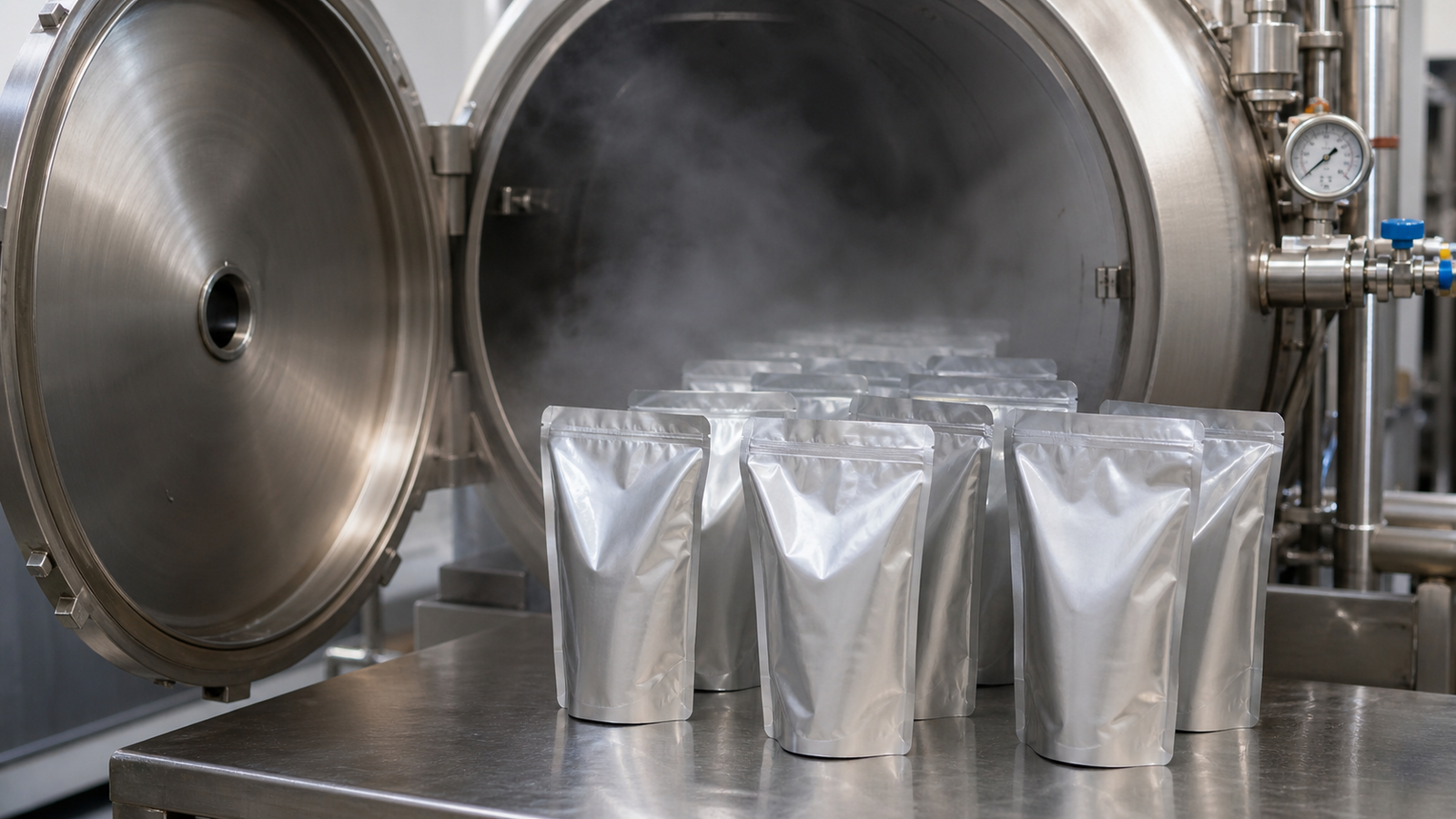
What Is a Retort Pouch?
Learn what a retort pouch is, how it differs from hot-fill and aseptic packs, and what to specify for laminate, sealing, process, and RFQ needs.…
Read the article ↗