
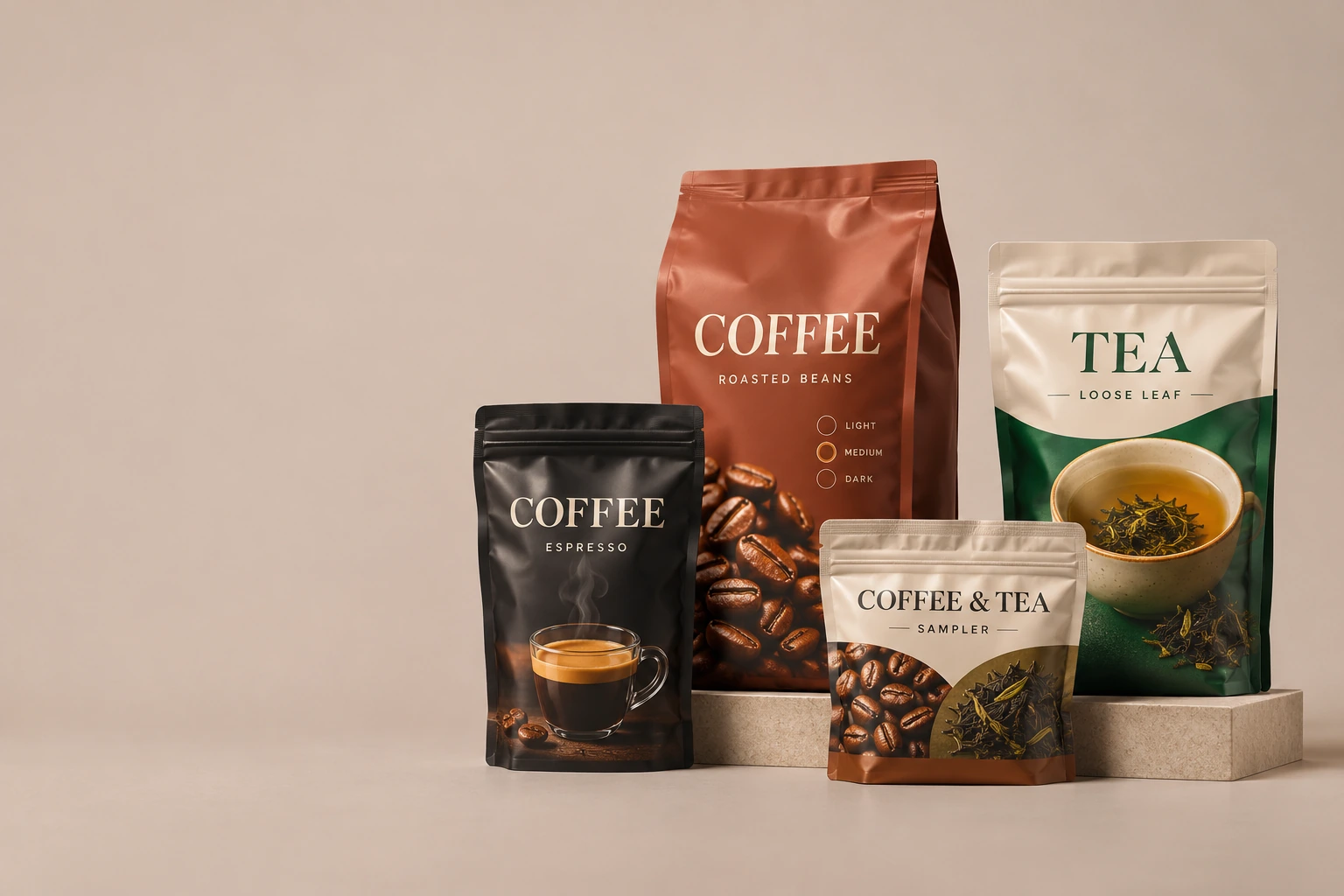
Custom Coffee & Tea
Packaging
IVAPAK manufactures custom printed coffee bags, tea pouches and rollstock film for roasters and beverage brands. Compare flat-bottom, stand-up and portion-pack formats, then define aroma protection, size, printing and opening requirements. Coffee valve requests are reviewed with the filling route and selected pouch structure.
Custom Coffee Bags & Tea Pouches from Our Factory
Coffee packaging serves roasters, retailers and daily brewing. Tea adds different leaf shapes, densities and storage needs. IVAPAK translates these differences into pouch specifications, with a separate brief for each product.
Explore the full industry collection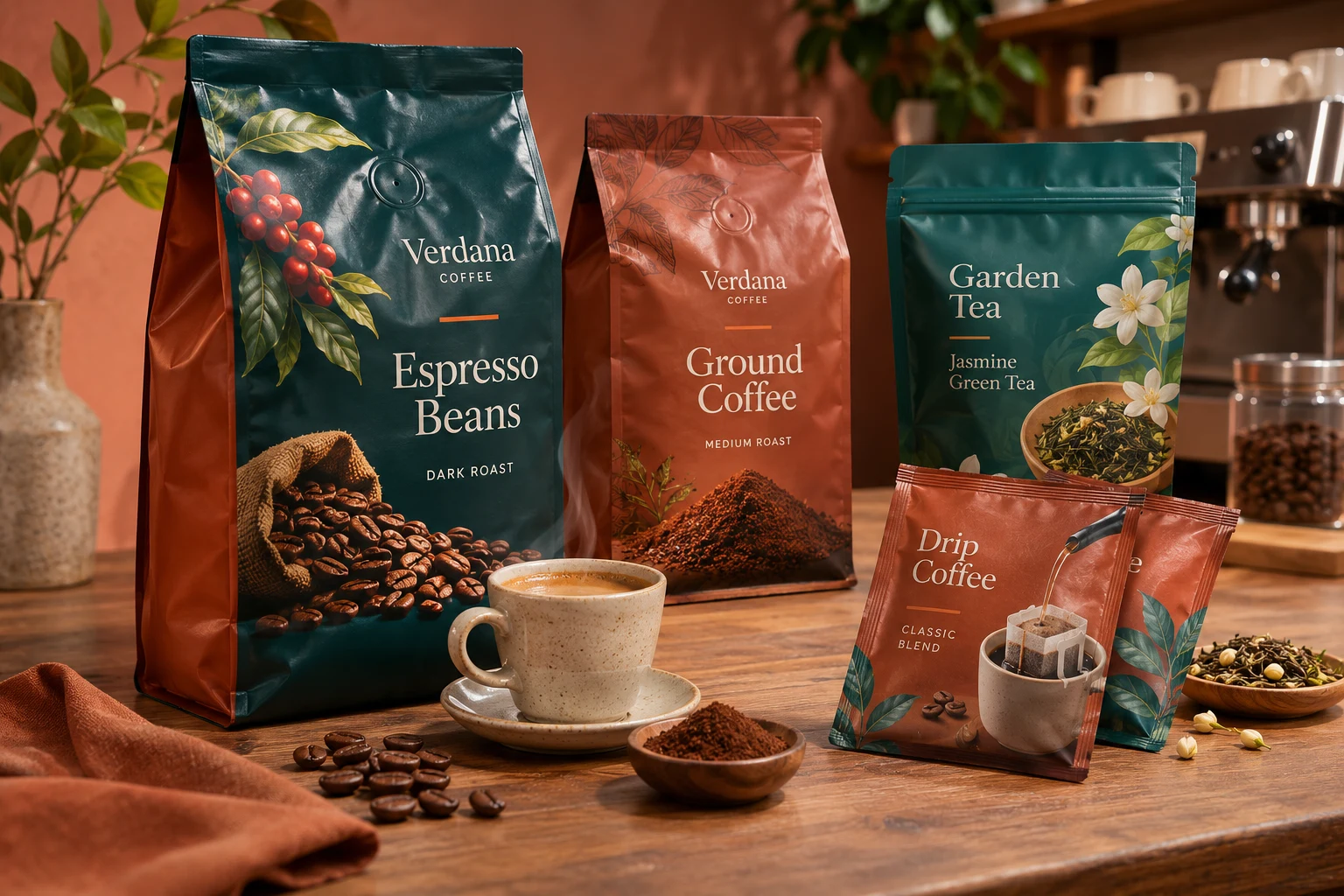
Give every roast and blend a recognizable place.
Three starting points for a better packaging brief.
Start with the product
Choose dimensions around whole beans, grounds, leaves or powder, with enough room for filling and the final seal.
Make the range recognizable
Give origins and blends a consistent identity through clear graphics, tasting notes and a considered color system.
Keep sourcing connected
Discuss structure, dimensions, print and production with one factory, so comparisons and purchasing decisions share the same specification.
Pouch Formats & Printed Rollstock Options
Compare the shapes that suit your filling operation and retail presentation.
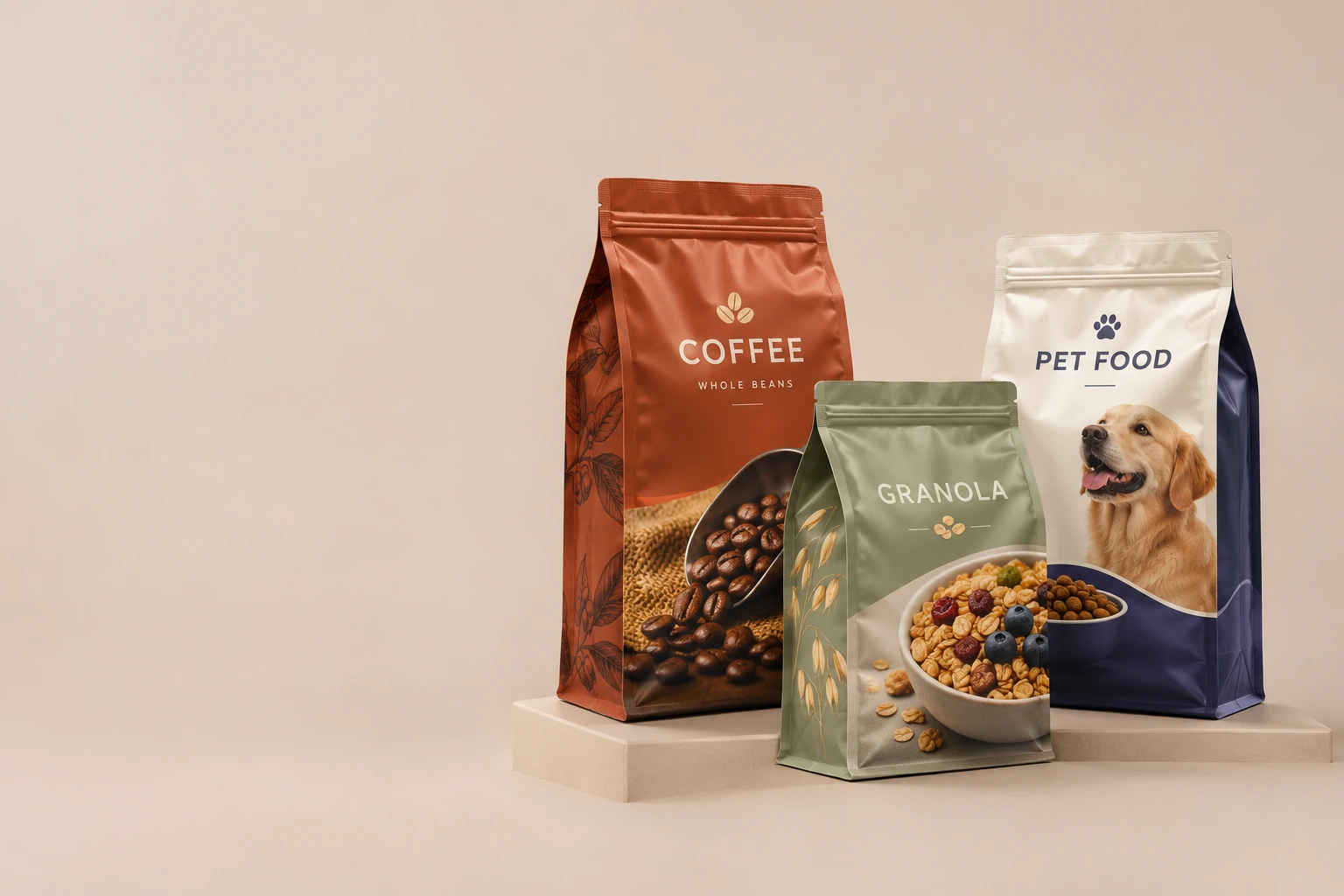
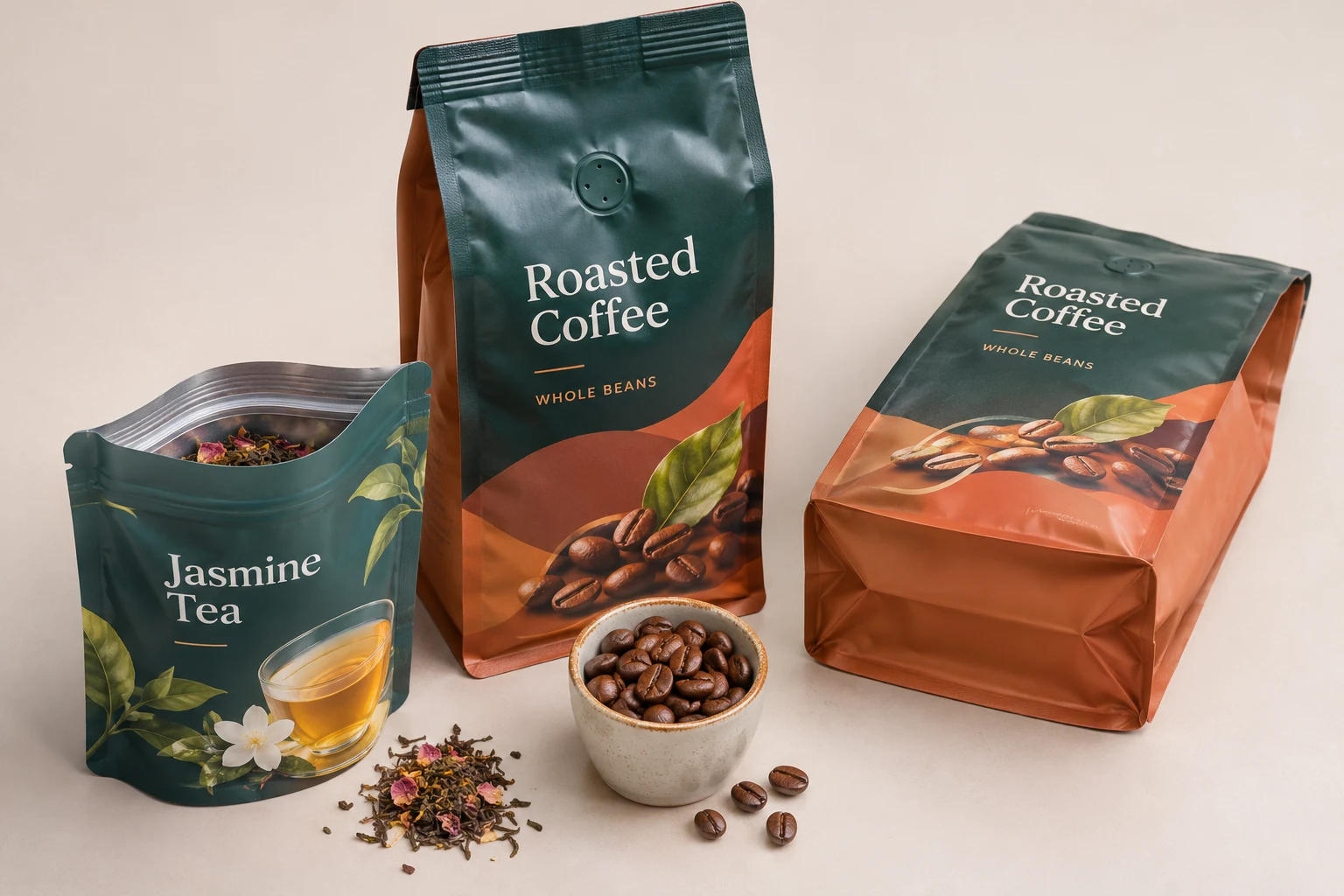
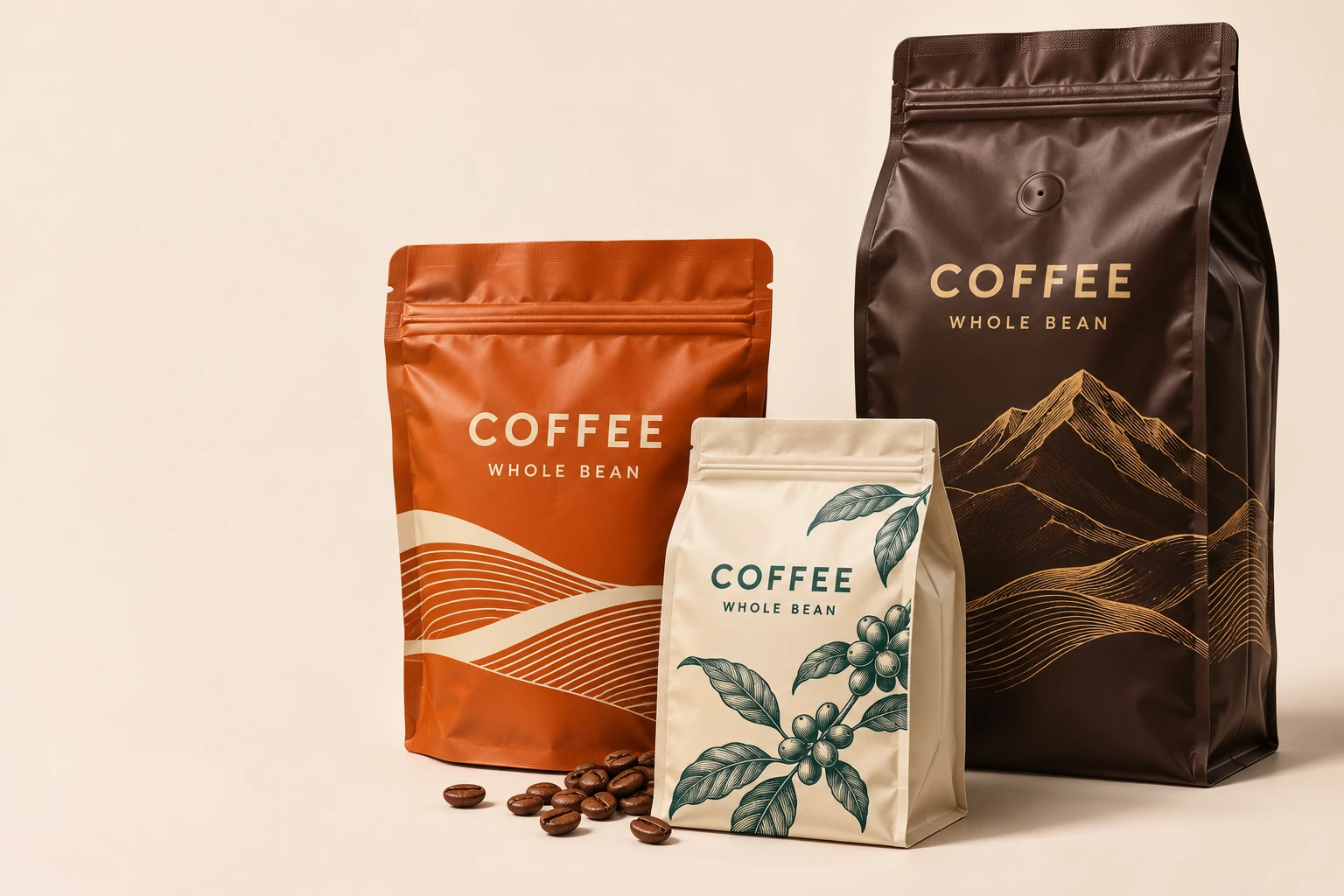
Flat-bottom pouches
A structured footprint and several printable faces suit origin ranges and substantial retail packs. Size the base around filled stability and your shelf arrangement; nominal weight alone does not establish the right dimensions.
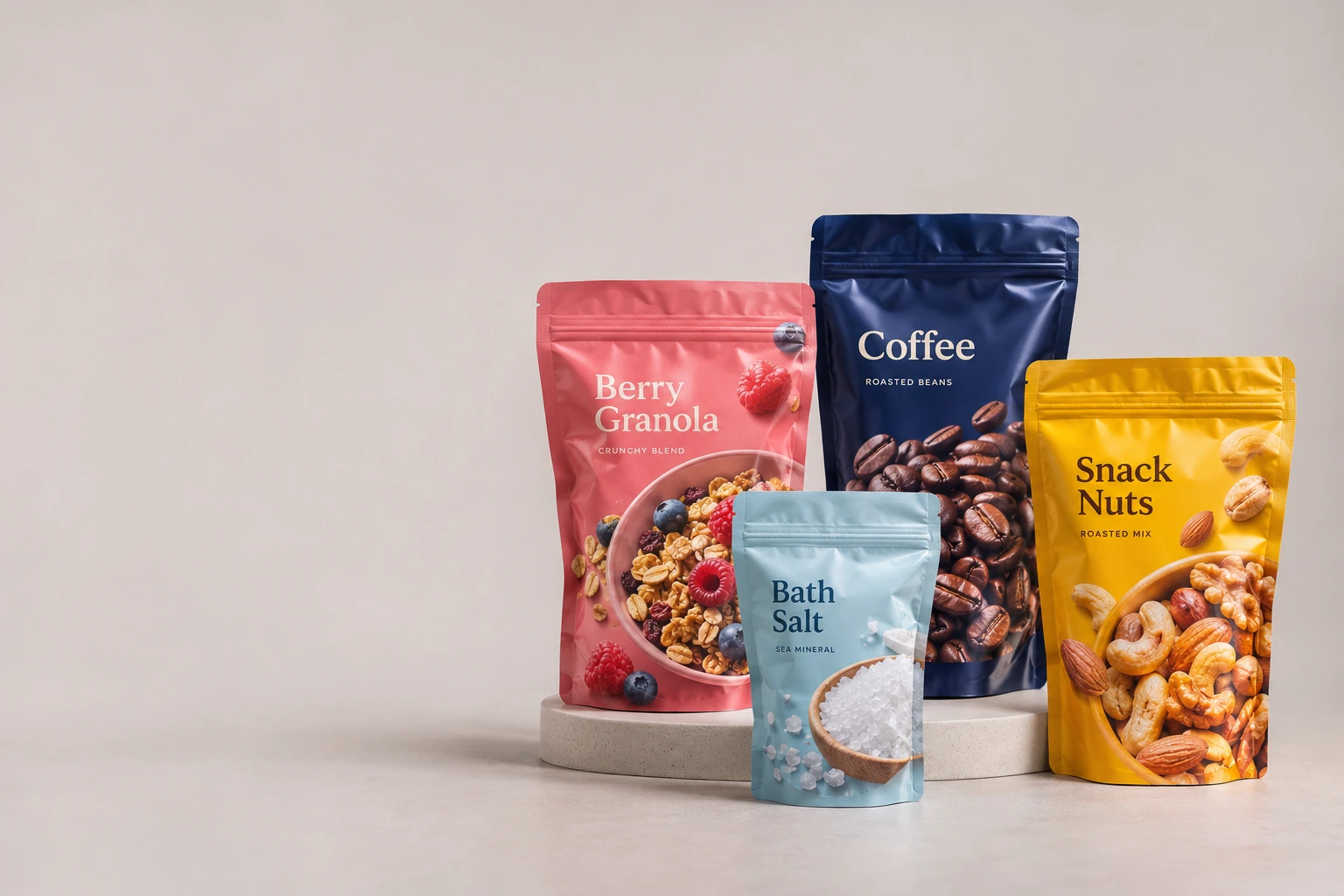
Stand-up pouches
A practical direction for tea blends and coffee ranges that need a broad front panel. Confirm the bottom gusset, opening and any resealing feature against the filling equipment and the way customers portion the product.
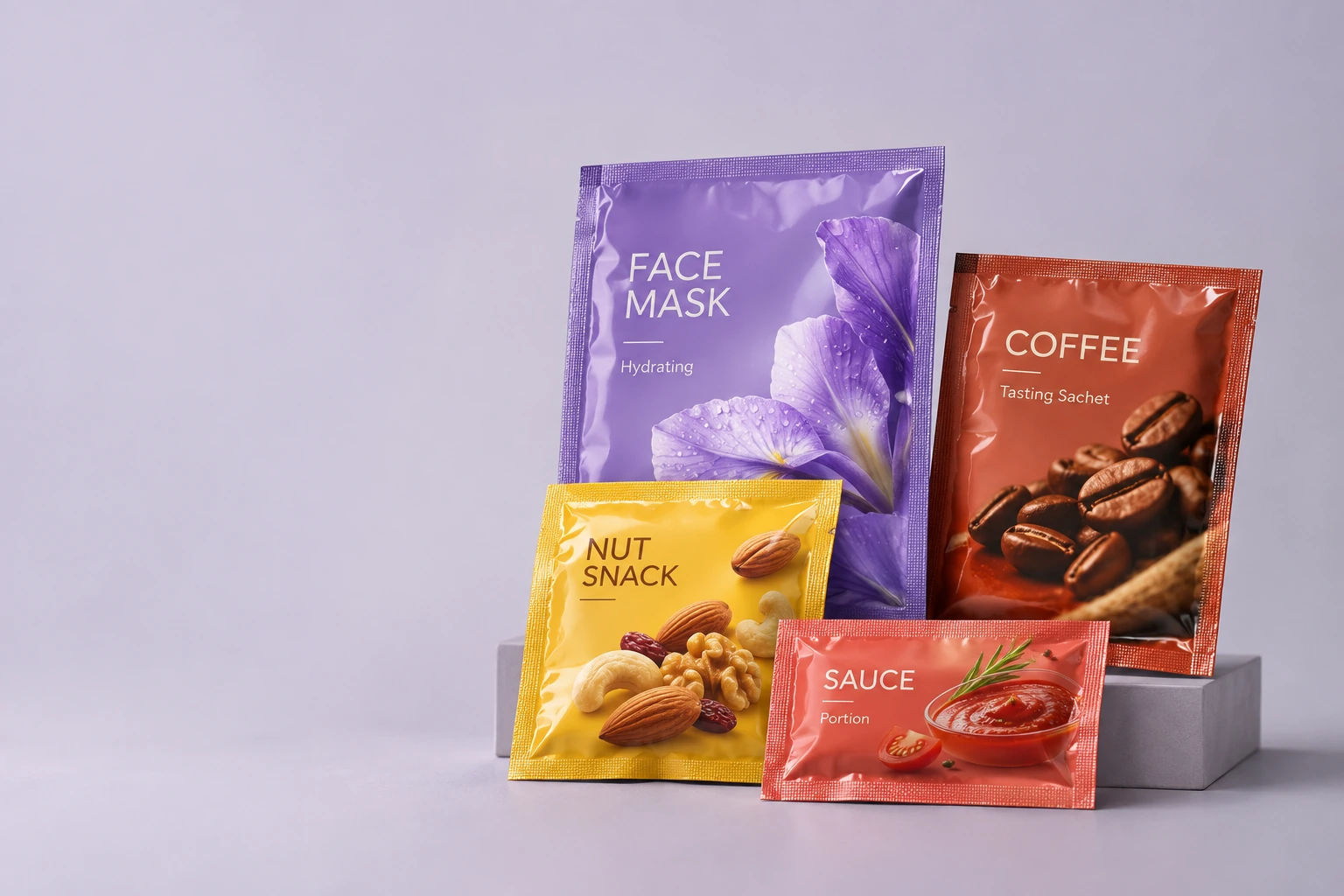
Three-side seal pouches
Consider a compact flat pack for tasting portions, individual tea refills or samples. Leave enough clear space for your final filling seal, opening instructions and the product information needed on a smaller surface.
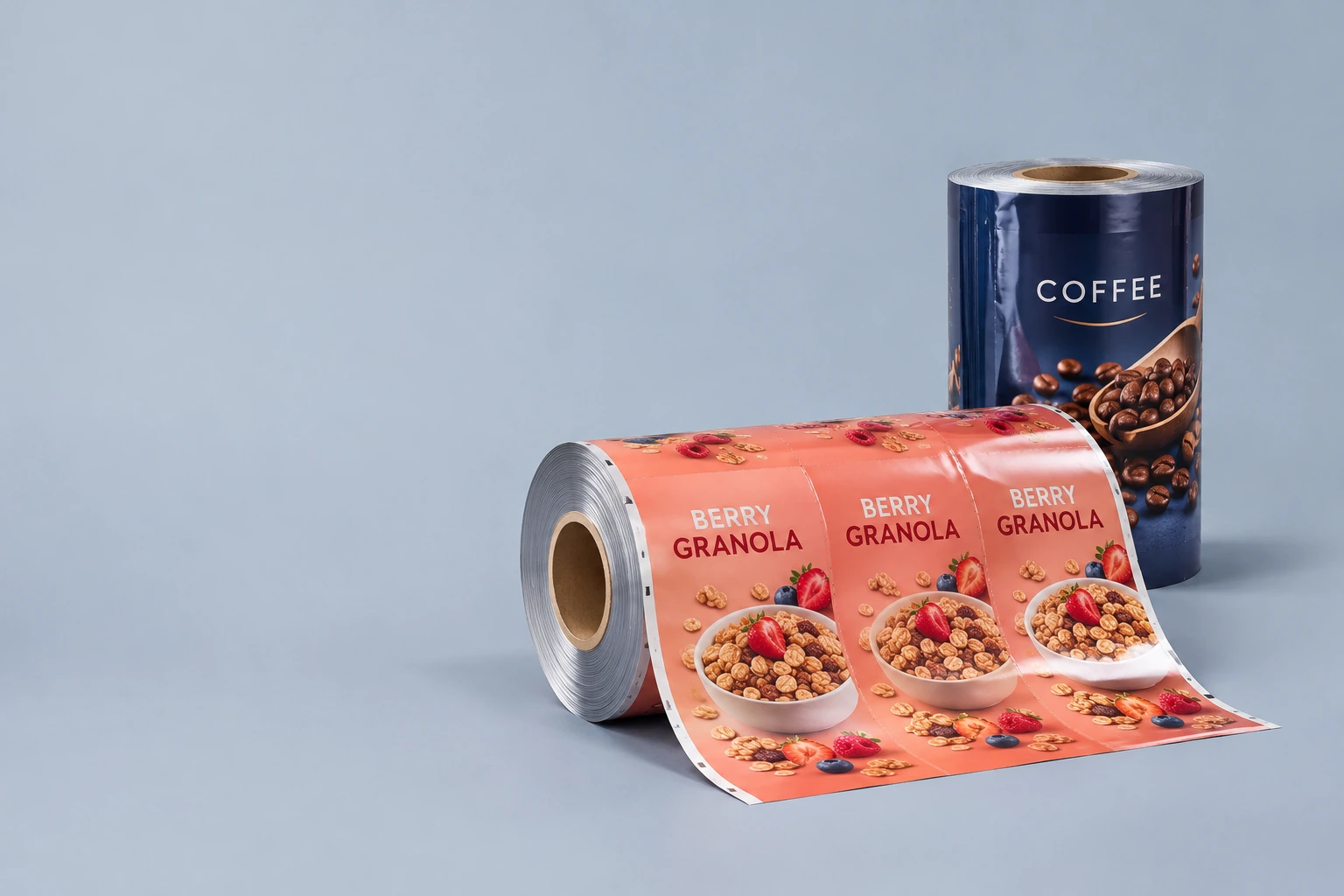
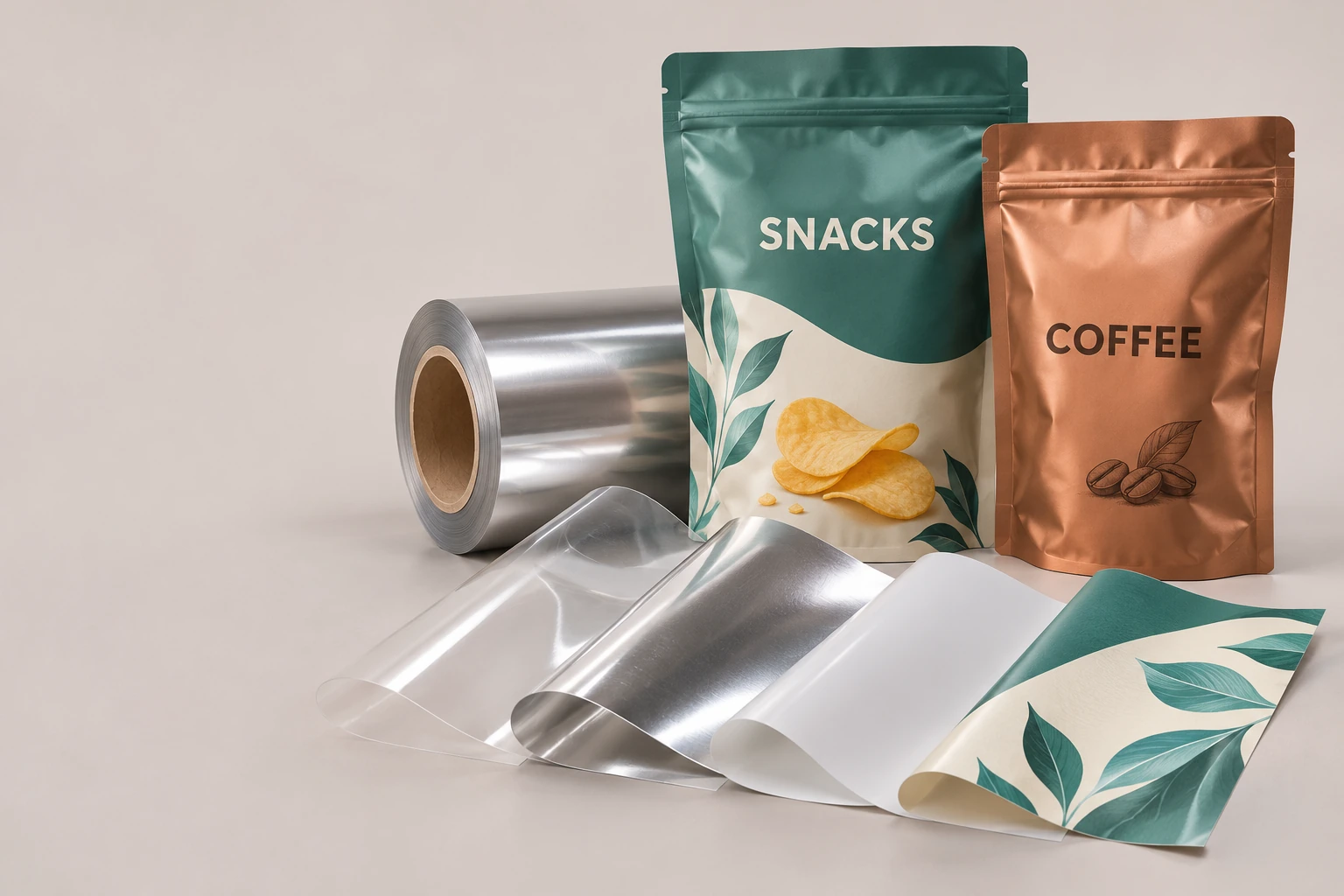
Printed rollstock
For brands forming packs on their own equipment, send the film width, print repeat, unwind direction and machine details. A rollstock quotation should describe the film and the actual forming and sealing process together.
Beans, grounds and leaves ask different packaging questions.
Start with the way the product is filled, sold and used.
Whole-bean coffee
Build the brief around roast-to-pack timing, degassing needs, bean density and the intended storage period. For valve projects, include the filling line layout and preferred valve position before finalizing artwork.
Ground coffee
Fine particles make the filling and sealing arrangement particularly relevant. Describe your dosing method, any gas-flushing process and the space needed above the product for a consistent final seal.
Loose-leaf tea and blends
Leaf shape and bulk density can change how much space a given weight occupies. Allow room for fragile leaves and decide whether an opaque presentation or a carefully assessed window best fits the range.
Powdered tea and drink mixes
Match the pack to small portions or repeated scooping. Discuss moisture sensitivity, powder on the sealing area, pouring behavior and the amount of information needed for preparation instructions.
Aroma, degassing and the final seal need attention.
Shape, print and material work best when the application is understood first.
Aroma and exposure
Decide what freshness means for your product and sales route. Discuss oxygen, moisture and light exposure alongside roast date, storage conditions and your own shelf-life evaluation rather than selecting a film from appearance alone.
Coffee degassing
Freshly roasted coffee can release gas after packing. A valve may be relevant, but its availability, position and fit with the pouch need review. A tea pouch should not inherit a coffee valve simply to match the range.
The last filling seal
Ground coffee or tea fragments in the sealing area can complicate closure. Review fill height, dust control and the space available for sealing with the team that will actually pack your product.
Daily opening and storage
The first opening and later use are different moments. Define the tear opening, any zipper request and the space needed to reach the product; a convenient closure does not replace suitable storage instructions.
Choose protection around the coffee or tea inside.
Compare candidate materials against the contents, process and target market.

Barrier structures
Discuss the oxygen, moisture and light protection your coffee or tea requires, then compare candidate structures. A foil-look surface and a metallic print are visual effects; neither alone describes the barrier performance of the completed pack.
Mono-material direction
If recyclable mono-material packaging is a purchasing priority, include the destination market and collection route in the brief. Review the complete pouch, including any closure or valve, alongside the product protection and packing requirements.
Compostable direction
For a compostable pouch request, establish the intended treatment conditions and the documents needed for the actual material. Review storage, product contact and closure options before turning a sustainability idea into a printed claim.
Printed Layers, Barrier Films & Sealant Functions
Select a role to see how appearance, protection and sealing connect.
Print & presentation
The outside carries your graphics and handling requirements. Review the print surface, finish and intended appearance on the agreed production material.
Protection & structure
Define what the contents need from moisture, oxygen, light and aroma protection. The appropriate structure depends on product, storage and processing conditions.
Contact & sealing
The inside interfaces with your product and filling operation. Review food-contact suitability where relevant, formulation compatibility and sealing behavior together.
Conceptual layer roles, not a fixed construction or thickness specification. Your complete pack needs an application-specific review.
Describe the product, packing method and freshness brief.
Share what you know. A current sample, drawing or filling-line specification can help resolve the remaining questions.
- Product form
- Whole bean, ground coffee, loose leaf or powder; include bulk density if known.
- Pack size
- Target net weight plus current bag dimensions or a filled sample.
- Packing method
- Manual or automatic filling; identify the final seal and any gas-flushing step.
- Degassing
- Roast-to-pack interval and whether a valve is requested.
- Opening
- Tear opening, resealing preference and comfortable access to the contents.
- Artwork system
- Origins, blends, languages, coding areas and number of designs.
- Storage and market
- Target shelf-life study, transport conditions and countries of sale.
Bring origin, preparation and opening into the design.
Bring the visual identity and the user experience into the same conversation.
A clear origin hierarchy
Give the brand, origin and roast or tea variety distinct roles on the front panel. Keep preparation information and batch coding legible without forcing every detail into the main product image.
A useful side panel
Flat-bottom pouches can carry a brewing guide or producer story on another face. Check where folds and seals fall so important text remains readable when the pouch is filled and displayed.
A deliberate finish
Discuss matte, gloss or other requested effects with the structure and print plan. Use contrast to support the brand identity, and confirm special effects before building the whole range around them.
A planned opening
Coordinate any tear notch, zipper or valve request with the artwork. Keep tasting notes and essential instructions away from the part removed during opening, and allow practical space around the filling seal.
Custom Gravure Printing & Artwork Approval
Gravure production supports up to 10 colors. Digital printing is used for sampling.
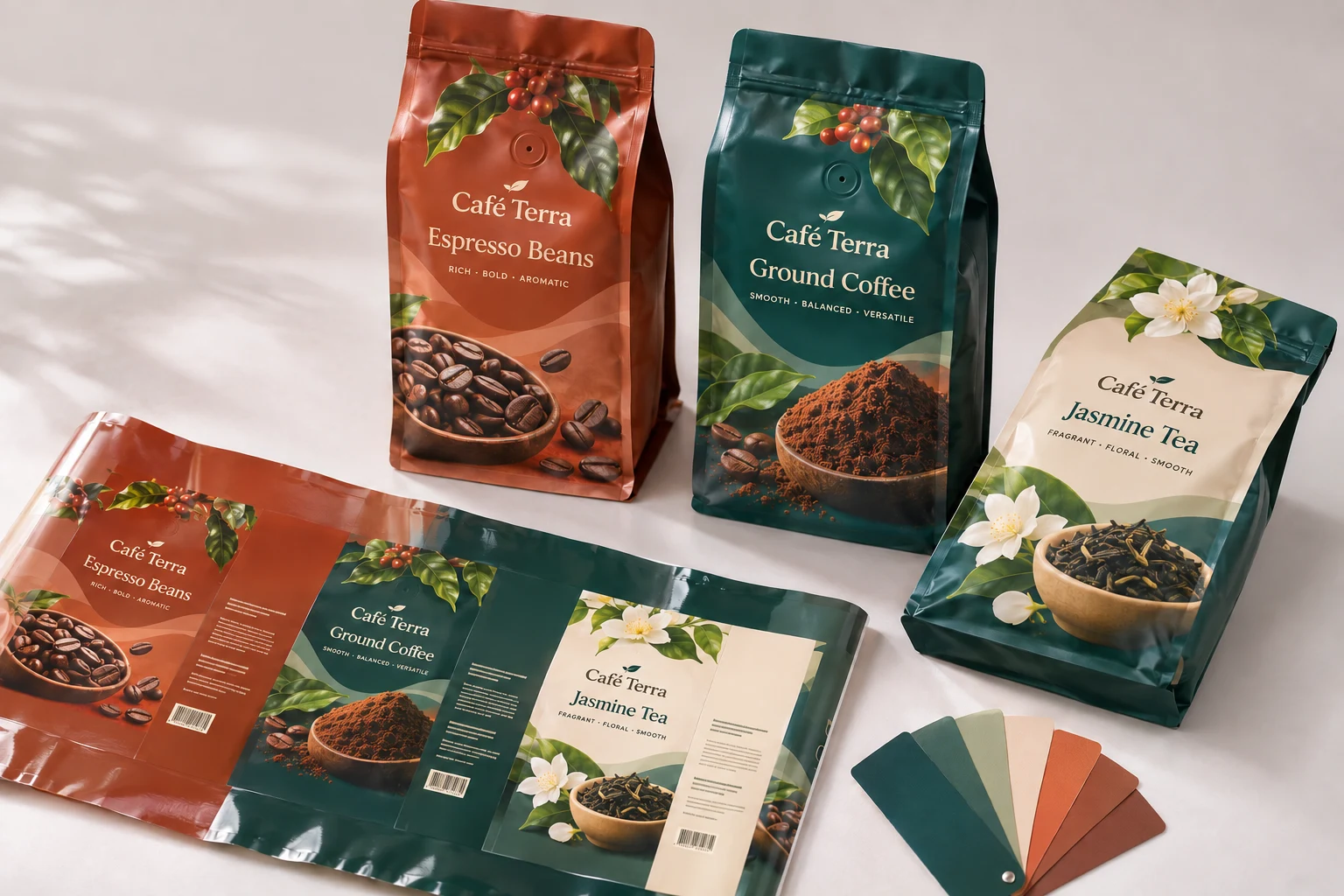
Start with the production dieline
Confirm dimensions and format before final artwork. Keep critical content clear of folds, seals, zippers and any fitments.
Approve the right reference
Use digital sampling to evaluate the design, then agree the reference and expectations for gravure production. Review key colors and all artwork variants together.
Build a coherent range
Provide the full set of product names, languages and variable information so changes between designs are visible before production.
Packaging Samples & Pre-Production Trials
Visual approval, filling suitability and product protection answer different questions.
Review the appearance
Check the artwork hierarchy, dimensions and intended presentation. Record the approved version and any changes needed before the production reference is agreed.
Review the filled pack
Use the actual contents or a representative trial to check filling access, headspace, closure and handling. Include the team operating the filling process.
Agree what needs validation
Where protection, thermal processing or formula compatibility matters, define the trial and acceptance requirements for the actual material and intended use.
Our Flexible Packaging Manufacturing Process
Printing, lamination, curing, slitting, pouch making and inspection are integrated within IVAPAK.
Printing
Approved artwork becomes a controlled print reference.
Lamination
Selected film layers are combined for the agreed structure.
Curing
The laminated structure follows its required curing stage.
Slitting
Film is converted to the specified widths and rolls.
Pouch making
Premade pouch orders are converted to the chosen format.
Quality inspection
The finished order is checked against the agreed requirements.
Factory Equipment & Production Stages
Real production photographs from our factory media. Talk to the team about the process and documents relevant to your order.
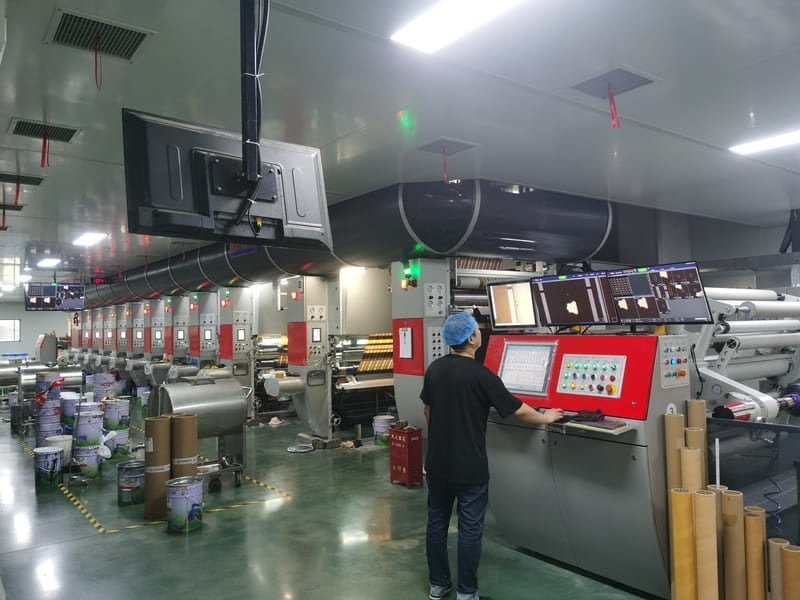
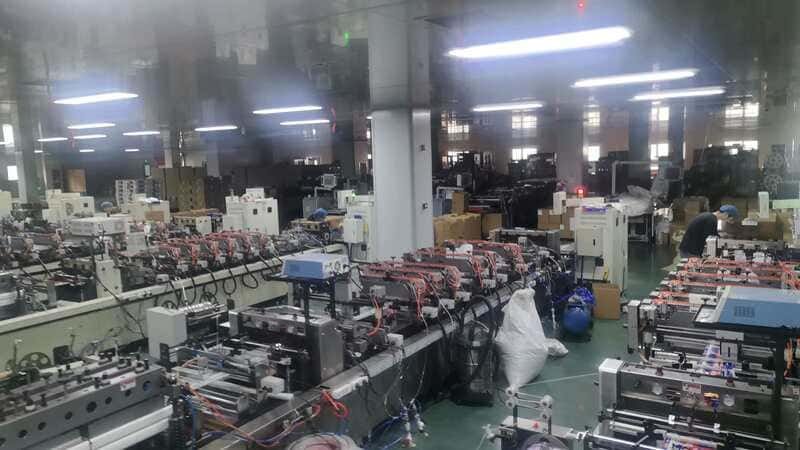
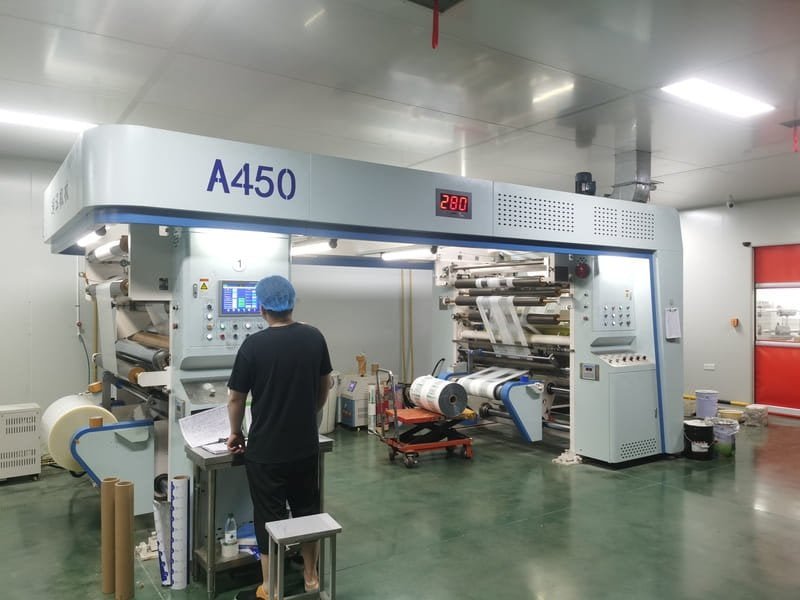
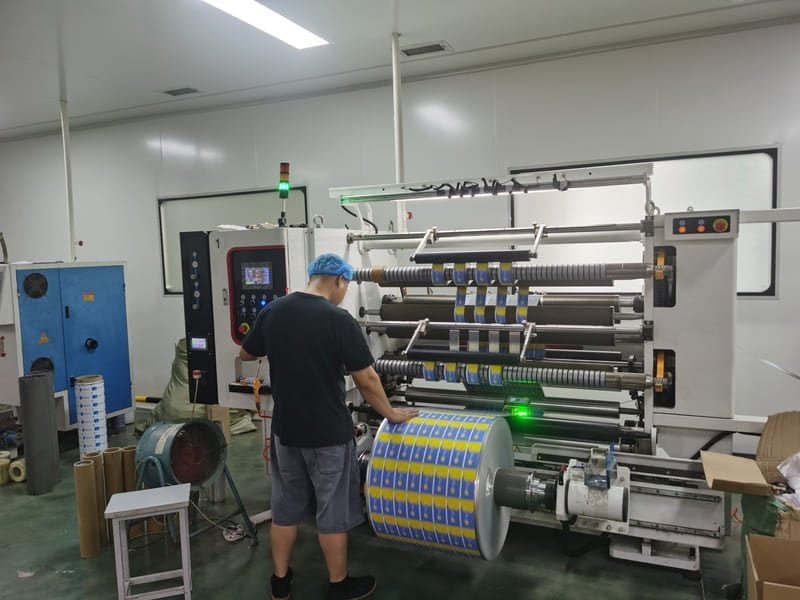
Review the seal, filled shape and valve request.
Founded in 2003, IVAPAK integrates printing and pouch converting in one factory. BRCGS and ISO 9001 certifications support its quality framework; material documents follow the specified use.
How will the bag be sealed?
Agree the filling and sealing trial needed on your equipment. Review clear seal areas, wrinkles and product contamination, with acceptance criteria that belong to the final filled package.
Does the filled pouch stand well?
Assess the chosen dimensions with the actual beans or tea. Check stability, headspace and presentation in the intended display tray or shelf position rather than judging an empty pouch.
Is the freshness target supported?
Plan product storage and sensory evaluation under representative conditions. Where barrier data are required, identify the structure, conditions and reporting basis so comparisons are meaningful.
Does the requested valve fit?
For a valve project, confirm component suitability, placement and the required checks with the filling team. Also review the effect of the valve location on graphics, carton packing and consumer handling.
Factory Certifications & Material Documentation
Share your destination market and application so the relevant factory credentials and material documents can be reviewed.
BRCGS & ISO 9001
Factory and quality-management credentials support supplier evaluation. Request the current documents for your purchasing review.
Food-contact material review
For food applications, discuss material compliance with applicable FDA requirements and EU 10/2011 for the intended use. These are material and use requirements, not an FDA factory certification.
Available SGS reports
SGS testing reports can be provided. Confirm that the report scope, material and test conditions correspond to the packaging being specified.
Illustrative launches for seasonal coffee, tea and tastings.
These planning examples show how requirements guide decisions. They are not named customer projects or measured performance results.
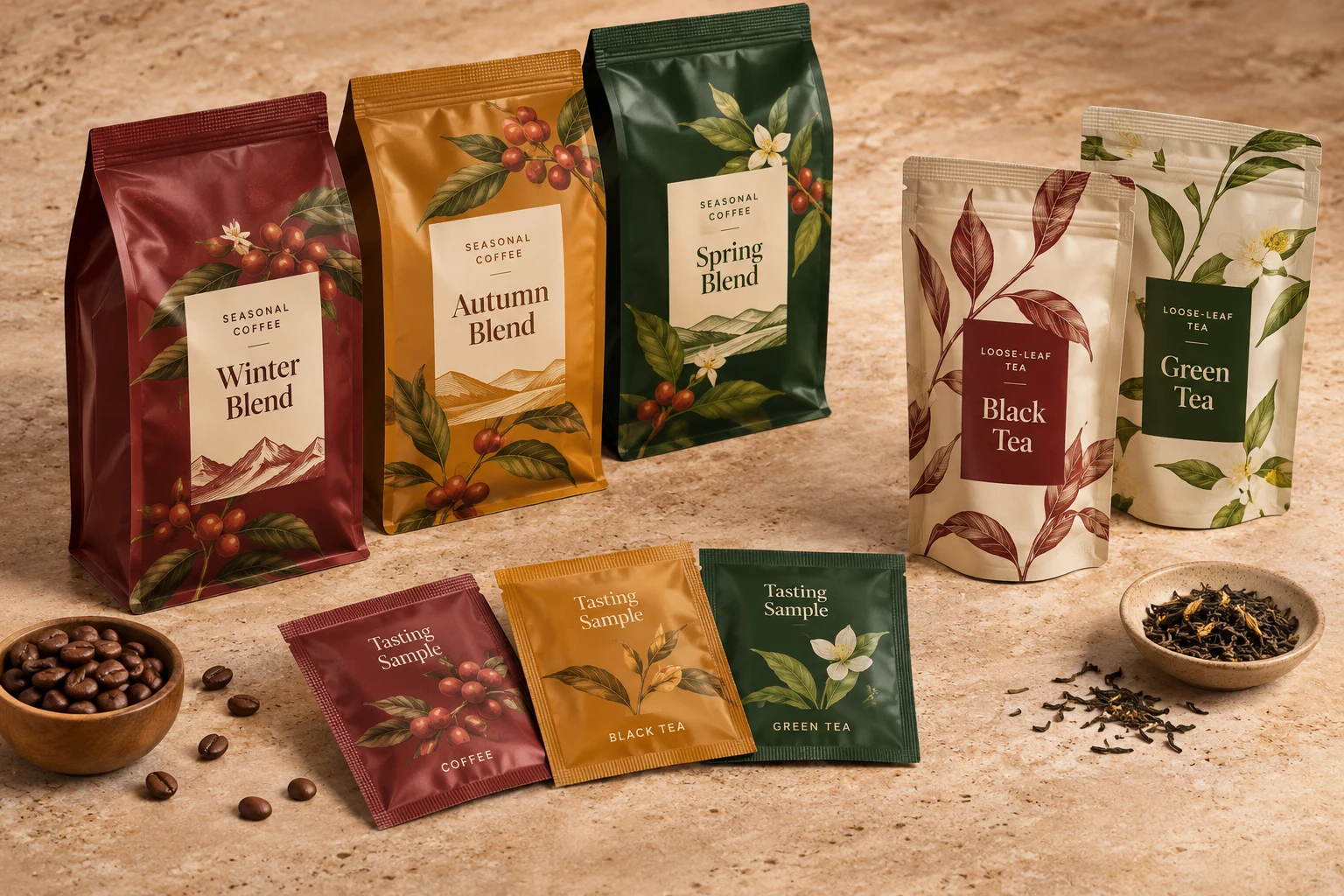
Illustrative plan: a seasonal coffee range
A roaster wants one recognizable family across several origins, with quantities that differ by design.
Start with one dimension and structural brief, then map each origin to its own artwork and order quantity. Review roast-to-pack timing and any valve request before settling the final print layout.
Illustrative plan: loose-leaf tea refills
A tea brand wants a refill pouch that can hold light, bulky leaves without looking overfilled.
Compare filled samples instead of relying on weight alone. Explore a stand-up format, a clear preparation panel and a barrier brief suited to the tea and the brand’s storage evaluation.
Illustrative plan: tasting portions
A retailer wants several small coffee or tea samples in a discovery selection.
Use a compact format with a strong variant name and readable brew directions. Check the filling opening and coding area, then quote the actual number of individual designs and portions.
Prepare the product reference and each artwork quantity.
Use these prompts to organize your requirements before requesting a quotation.
Send a filled reference
A physical sample or clear photographs with dimensions help explain the current experience. Include what should improve: stability, filling access, visual distinction, packing efficiency or the amount of unused space.
Define the freshness brief
Share the product, roast or blend process and intended route to market. A target shelf life is a requirement to evaluate; it should not be inferred from a pouch format or a material name.
Separate designs from quantities
List the quantity for each origin, flavor and pack size. This lets the quotation reflect the actual print plan and avoids treating a combined annual volume as one identical production run.
Agree the approval sample
Digital samples are useful for reviewing artwork. Identify separately any filled-pouch, sealing or storage trials needed to assess performance, and agree the production color reference for the gravure order.
Coffee & Tea Packaging FAQs
Useful answers for planning, specifying and ordering your pack.
Can you make custom printed coffee bags with valves?
A valve can be discussed as a project option. Send the coffee type, roast-to-pack timing, pouch dimensions, filling method and preferred position. We confirm the component and production feasibility before including it in a quotation.
Which pouch is better for coffee: flat-bottom or stand-up?
Flat-bottom pouches offer a structured footprint and additional display faces; stand-up pouches provide a broad front panel. The better choice depends on your fill volume, equipment, shelf layout and opening preference. A filled comparison is more useful than selecting by appearance alone.
Do tea bags need the same material as coffee bags?
Not automatically. Loose leaves, powdered tea and roasted coffee have different packing and storage briefs. Share the tea type, aroma sensitivity, storage conditions and any window request so the structure can be reviewed for the actual application.
Can you promise a specific shelf life?
Shelf life depends on the product, filling process, package and storage conditions together. We can discuss packaging requirements and relevant material information, but the shelf-life claim should be supported by evaluation of your filled product.
Can different origins share one pouch size?
They can be assessed as a coordinated range. Check the filled volume of each product first, especially when moving between whole beans, grounds and loose leaves. Artwork and order quantities still need to be listed separately for each design.
Are recyclable or compostable coffee pouches available?
Both directions can be discussed. The complete structure and any valve or closure must be considered, along with product performance and the destination market’s treatment conditions. Recyclable and compostable describe different routes and need different supporting information.
What should I send for a coffee packaging quotation?
Send product type, target fill weight, dimensions or a sample, number of designs, quantity per design, artwork status and packing method. Add any valve, zipper or material request and the countries where you will sell the product.
How long does production usually take?
Standard orders typically complete production about 15 days after artwork approval, with the actual schedule confirmed for the order. Allow additional time for specification work, any sampling or filling trials, shipping and your own packing plans.
No matching question. Try another term or contact Allen.
Explore a more specific packaging brief.
Go deeper into the application and the material decisions behind it.
Request a Custom Packaging Quote
Build a brief around your roast, blend and shelf presentation. Share what you know; we can work through the valve, barrier and format together.
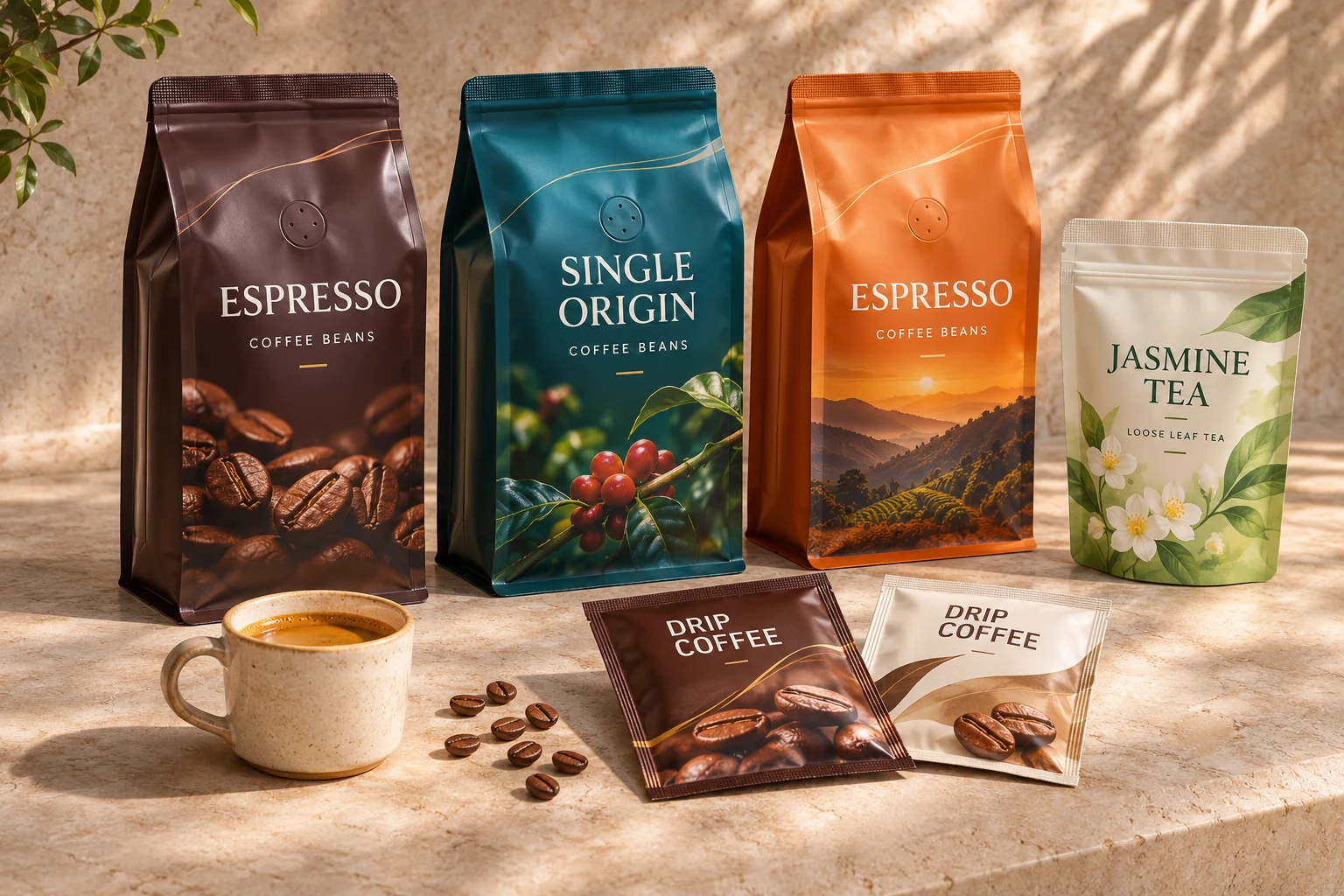
Tell us about your project.
Start with what you know. We will help with the rest.
We review your brief.
Our team checks your product, quantities and any missing specifications.
We clarify the options.
Discuss the format, materials and samples needed before a production decision.
You confirm the next step.
Review the quotation, artwork requirements and proposed production schedule.
Production Timing & Delivery Planning
*Standard orders typically complete production around 15 days after artwork approval. The confirmed schedule depends on the order; shipping time is additional.
Plan around the roast calendar
Work backwards from the roastery’s required arrival date, allowing separately for approval, manufacturing, transport and filling.
Make reorders easier to identify
Identify the approved design, dimensions and revision. Flag changes to the coffee, filling process, valve request or destination market.
Review the real packing experience
Record observations from filling, shelf display and opening, with the order reference and conditions, to guide the next discussion.
Repeat Orders & Packaging Specifications
Keep the agreed reference connected to every reorder.
Retain the approved reference
Use the previous order, artwork version and packaging specification as the starting point. Confirm whether dimensions, material and accessories remain the same.
Highlight what has changed
New ingredients, a different filling process, another destination market or revised storage conditions may require a new review before the next run.
Share useful feedback
If a concern arises, send the order reference, photographs and the conditions in which it occurred. Clear information helps the factory assess the issue and discuss the next step.
Related Packaging Products & Resources
Move between formats, applications and the manufacturing details that matter to your project.
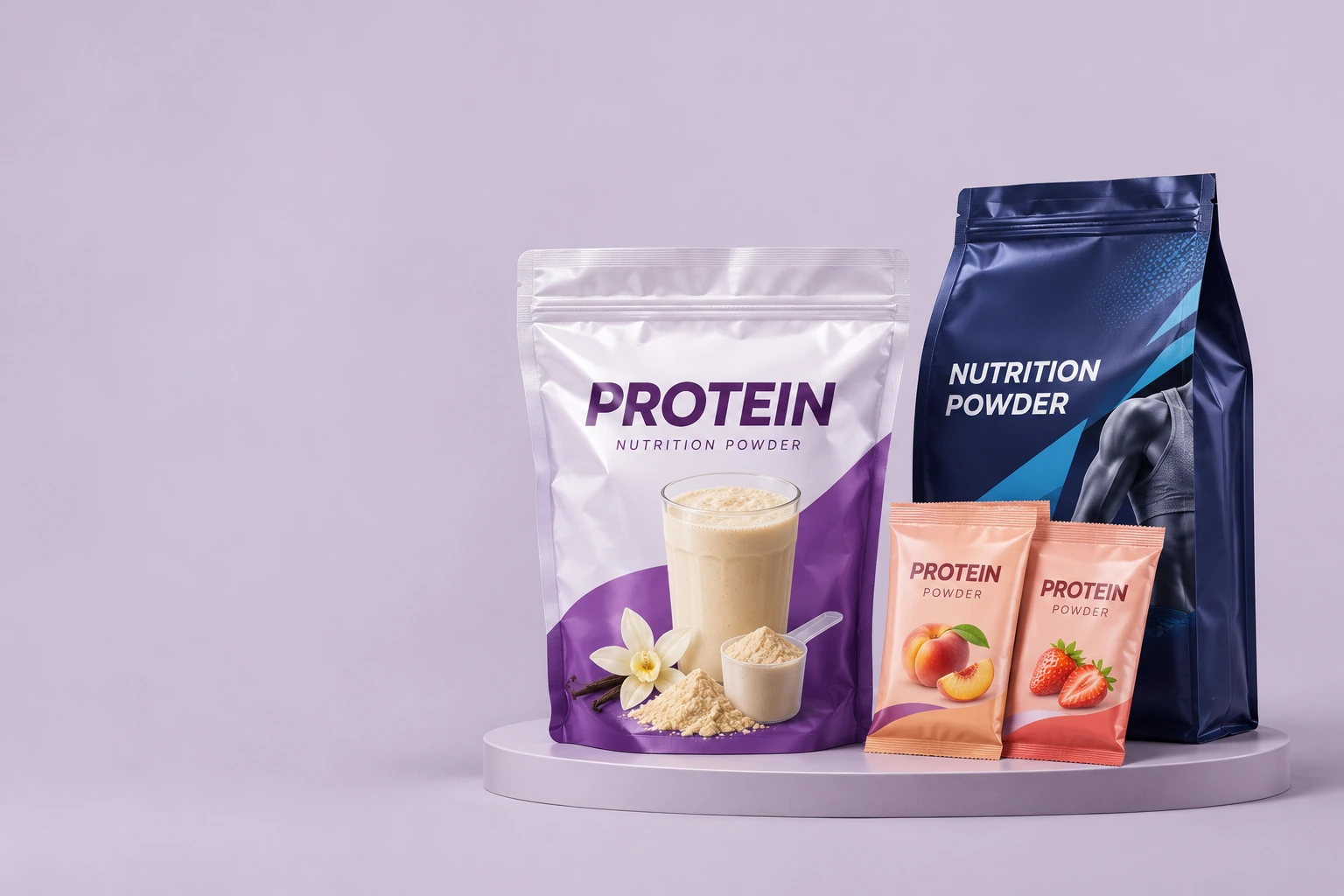
Supplements & Nutrition
Custom pouches and rollstock for protein powders, nutrition blends and supplements. Plan moisture protection, scoop access, portions and brand printing.
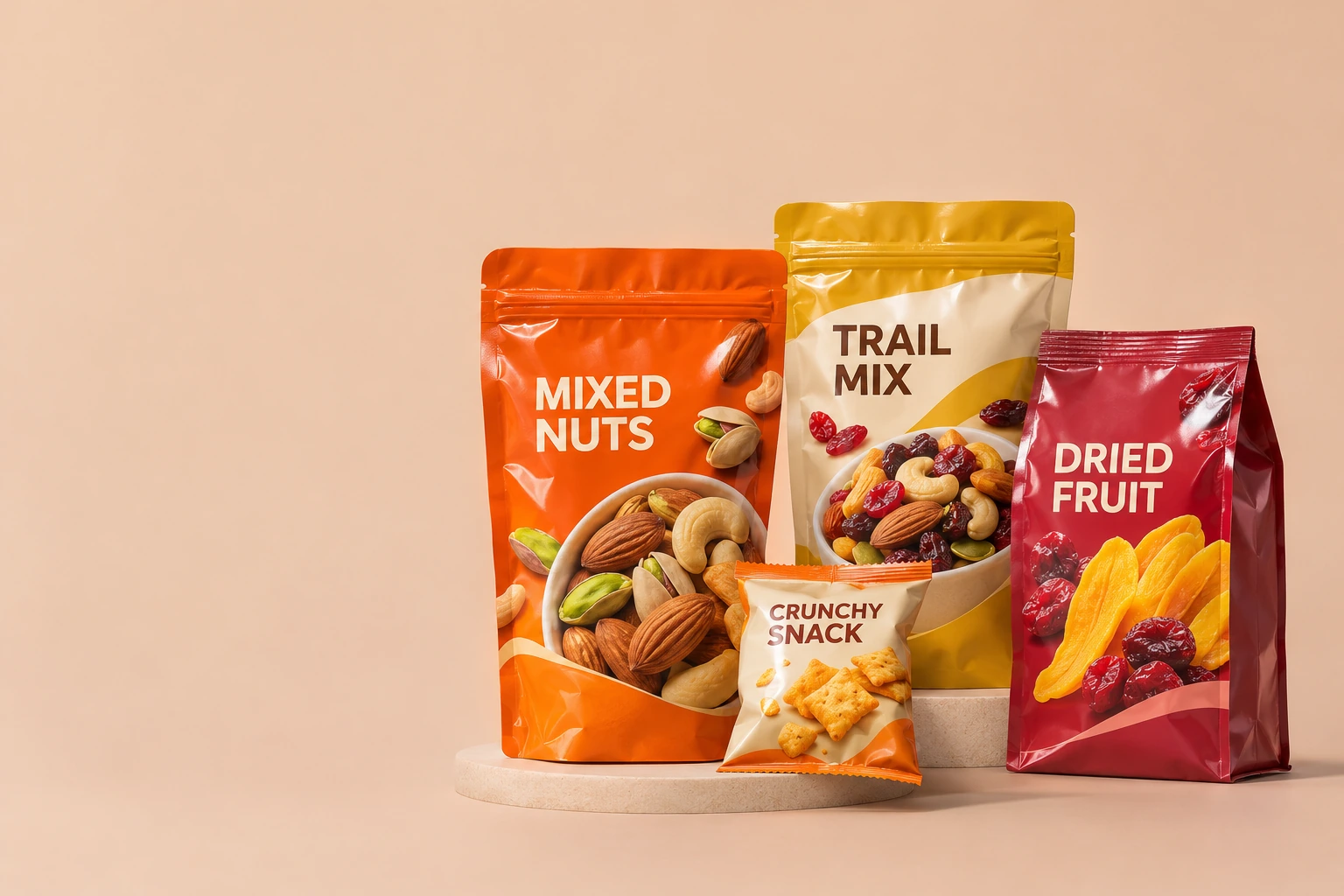
Snacks, Nuts & Dried Fruit
Custom snack pouches and printed rollstock for nuts, dried fruit and crunchy snacks. Discuss texture, oil contact, portions and filling-line requirements.
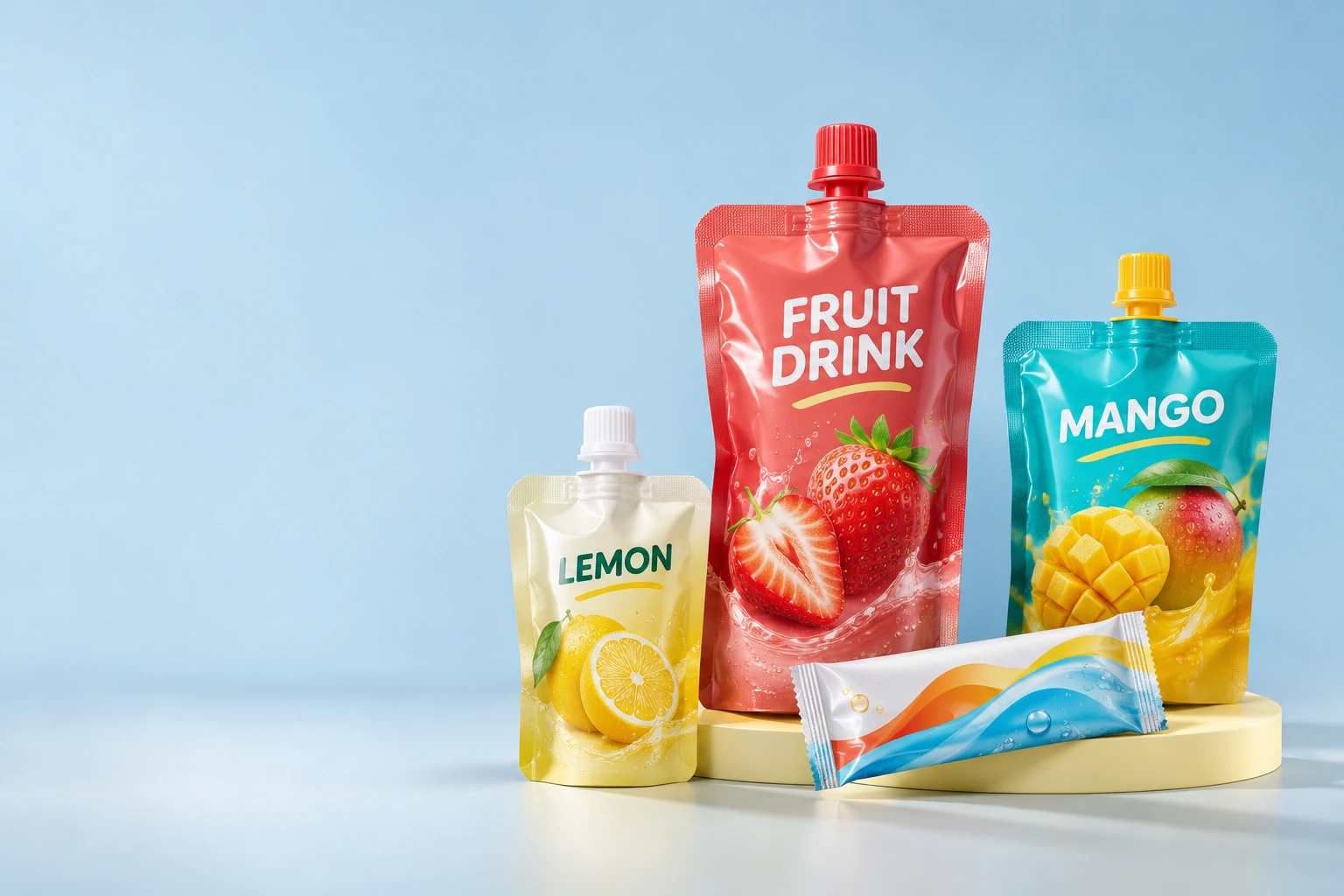
Beverages & Drink Pouches
Custom printed beverage pouches and rollstock. Discuss drink formulation, filling temperature, spouts, pressure requirements and practical dispensing.
Flexible Packaging Articles & Buying Guides
Read the latest articles from IVAPAK on flexible packaging, materials and project planning.
Browse our latest packaging articles.
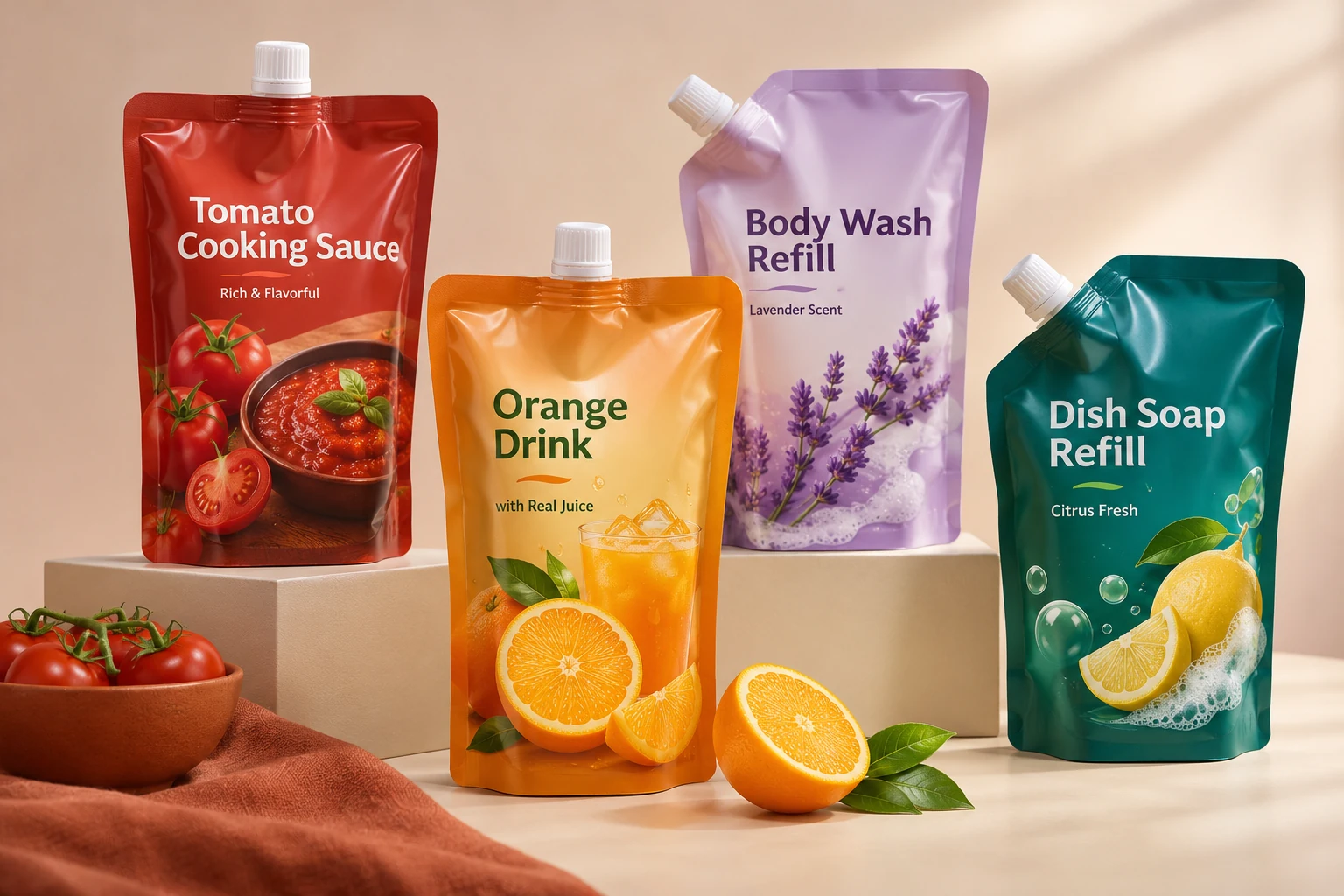
What Is a Spout Pouch?
Learn what a spout pouch is and how buyers should specify materials, format, spout size, closures, filling method, testing, and RFQ details.…
Read the article ↗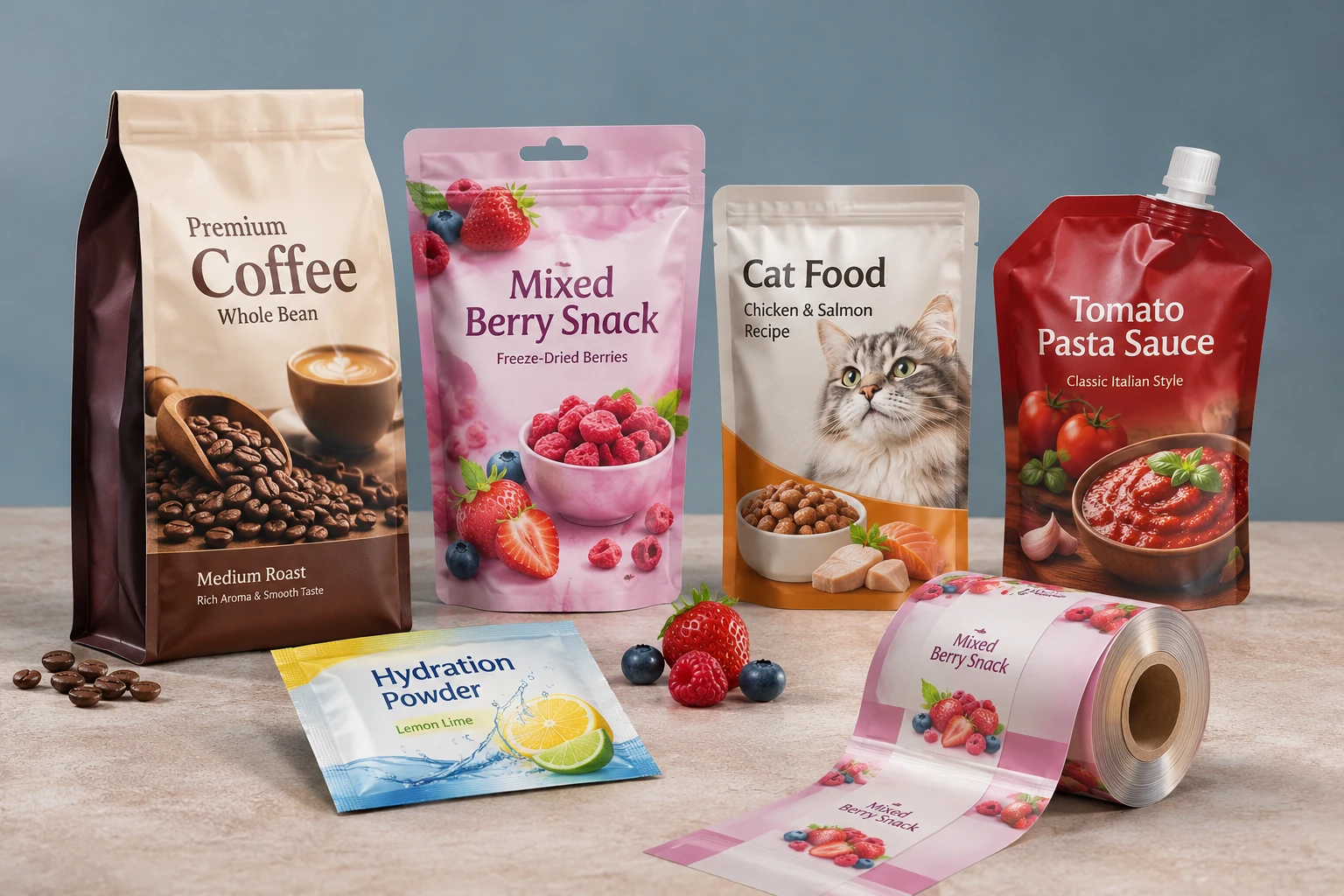
Custom Pouches for Flexible Packaging
Custom pouches explained through format, laminate, closure, print, filling, sustainability, validation, and RFQ details for flexible packaging pr…
Read the article ↗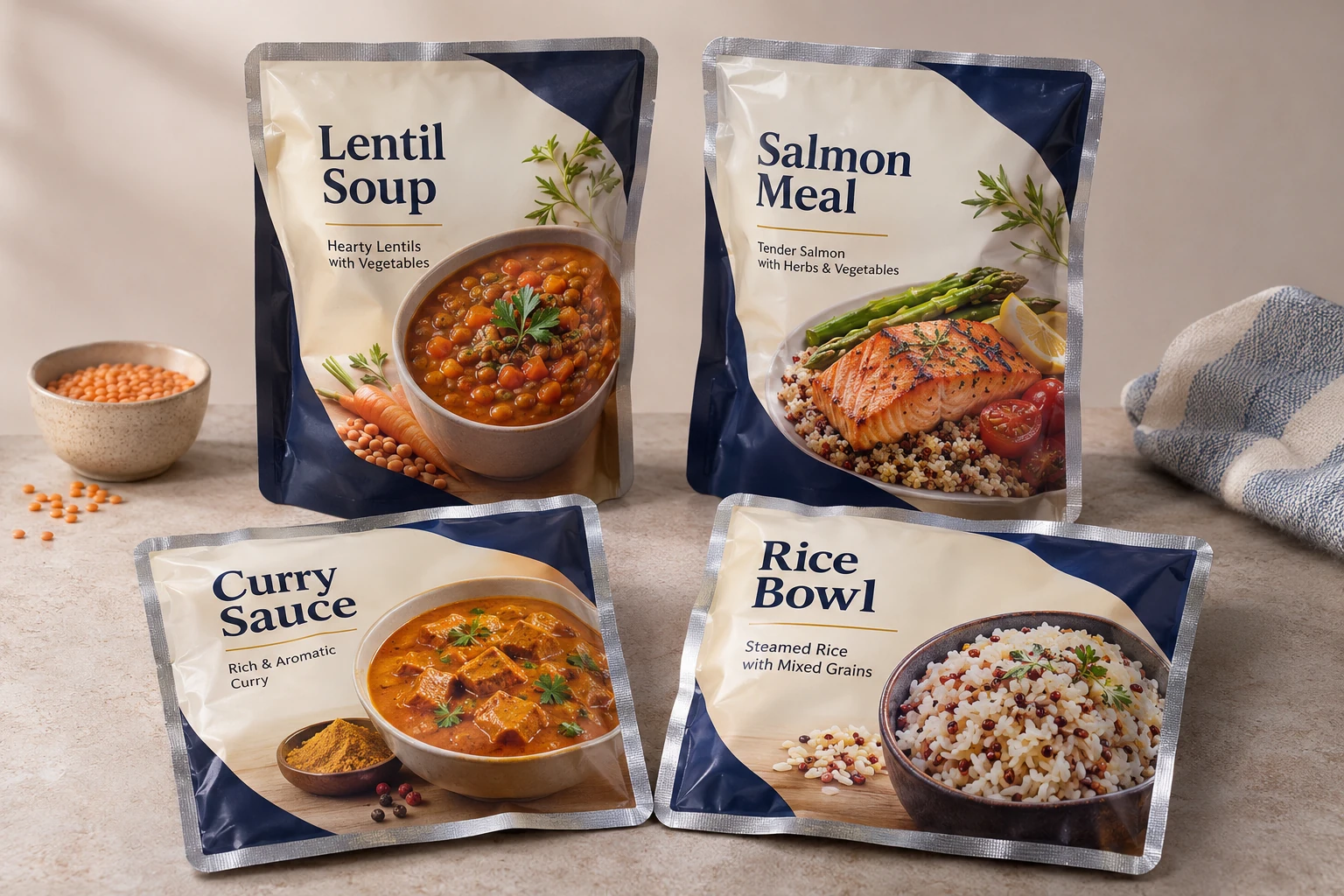
What Is a Retort Pouch?
Learn what a retort pouch is, how it differs from hot-fill and aseptic packs, and what to specify for laminate, sealing, process, and RFQ needs.…
Read the article ↗